Scuba diving is more than just a hobby — for many people, it’s a career opportunity.
Whether you dream of exploring shipwrecks, working offshore on oil platforms, helping scientists save coral reefs, or even performing underwater in shows, there are lucrative paths where your diving skills can earn you a serious income.
In this blog, we’ll explore five of the highest-paying jobs for scuba divers, what each job entails, how much you can expect to make, and how to get started in each field.
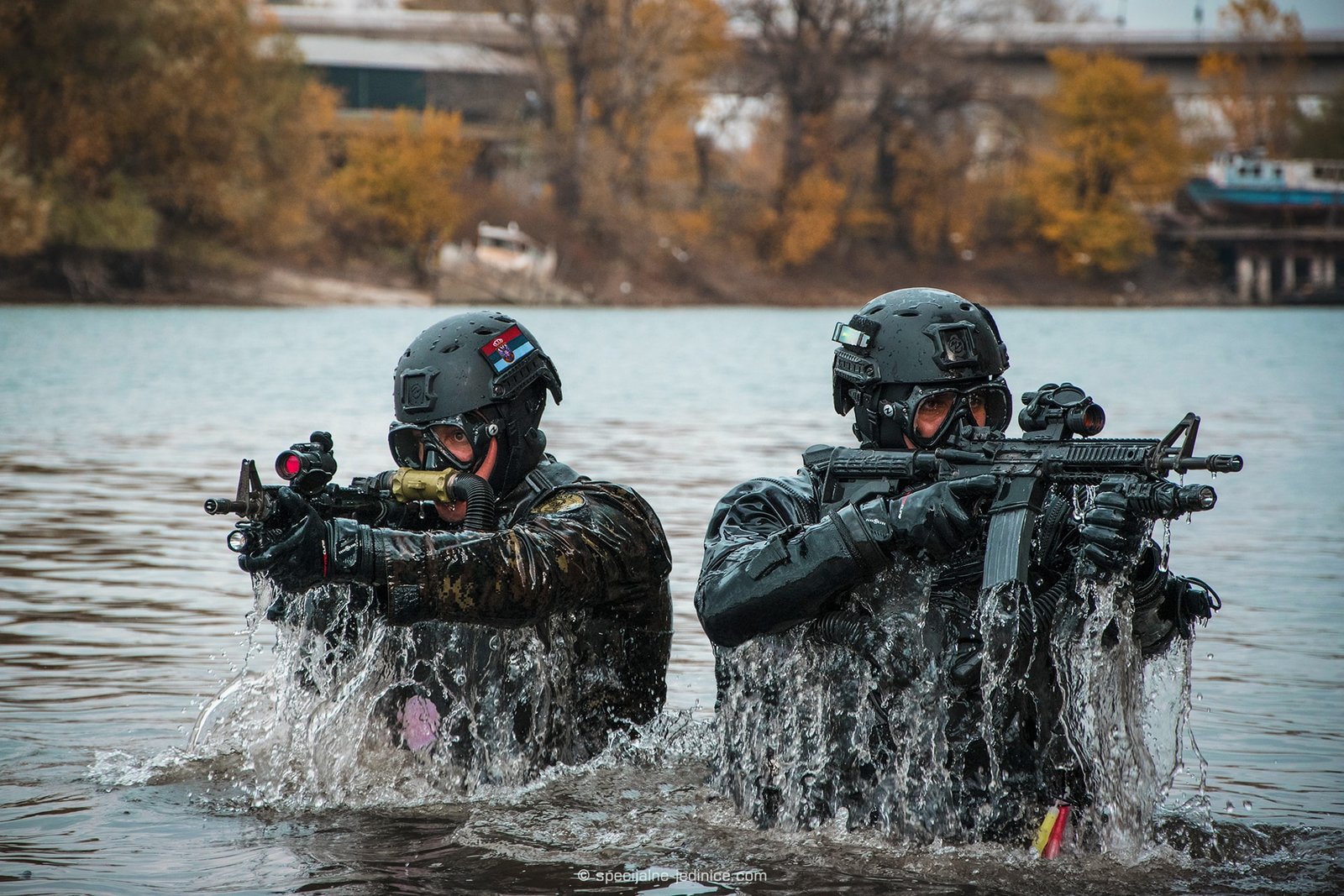
1. Military & Police Diving — Real Skills for Real-World Missions
If you’re physically fit, enjoy tactical challenges, and want structured work with strong benefits, military and police diving might be your best bet.
What They Do
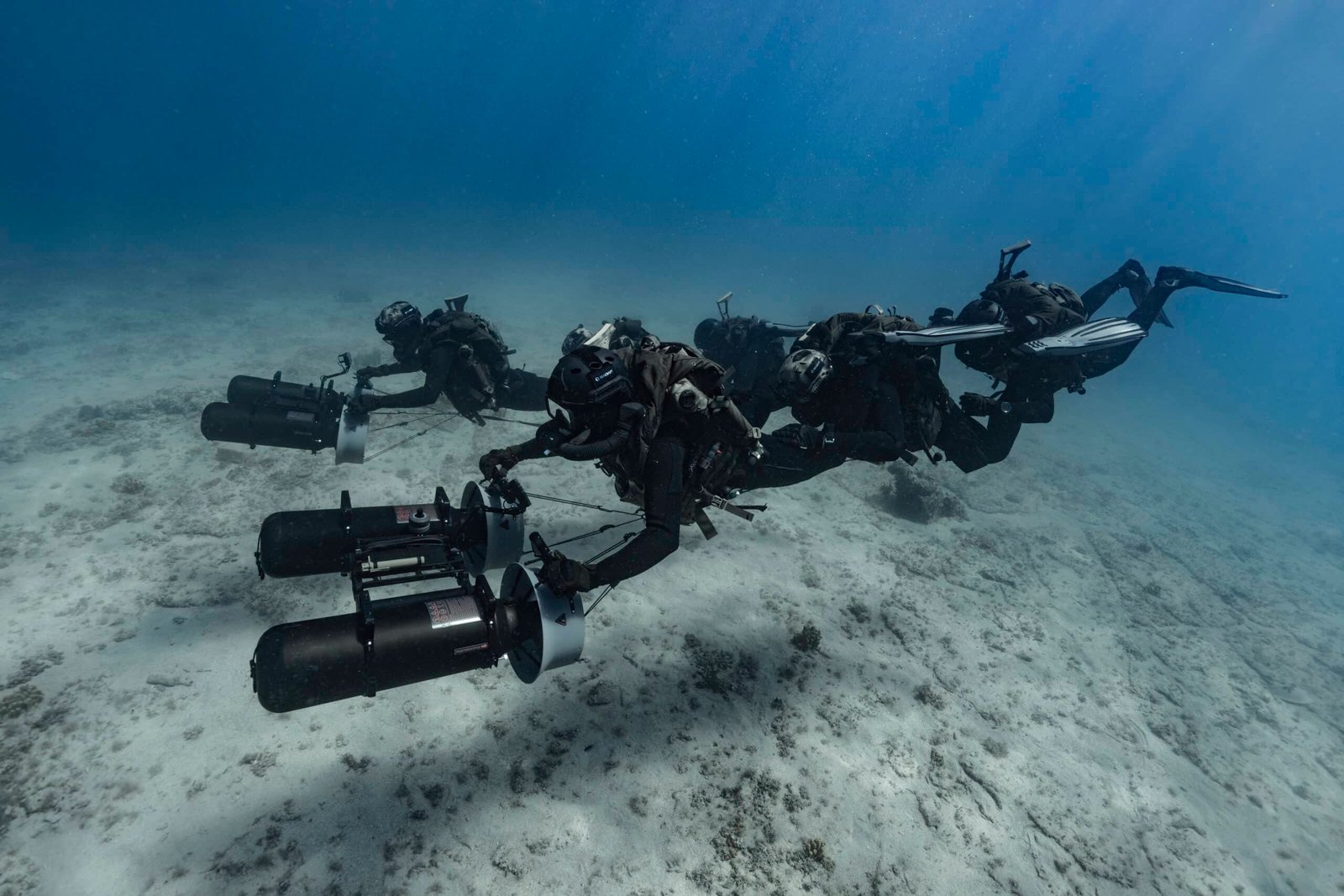
Military and police divers carry out specialized underwater operations such as:
— Underwater search & recovery
— Explosive ordnance disposal (EOD)
— Mine detection
— Rescue missions
— Infrastructure inspection
These jobs often involve hazardous conditions, specialized gear, and missions where precision and safety are critical.
Pay & Benefits
Salaries vary widely depending on the country, branch of service, rank, and experience. In the U.S. military:
— Base pay might be in the range of roughly $50,000–$75,000 annually for divers, depending on rank and allowances.
— Additional compensation can include bonuses, hazardous duty pay, sea pay, and retirement benefits.
Police divers, as part of public safety diving teams, can earn comparable salaries with overtime, special pay, and benefits from city or state agencies.
Training Requirements
This path usually requires:
— Becoming a sworn member of the military or police force
— Completing diver training programs offered by the organization
— Additional certifications in rescue, navigation, and specialized diving
Why This Is High-Paying
Job stability, government benefits, and the difficulty of the work combine to make this one of the highest-respect and often highest-paying professional diving roles available.
2. Oil Rig & Commercial Diving — Deep Work, Deep Paychecks
If adventure and income go hand in hand for you, working on offshore oil platforms and commercial projects is one of the most lucrative directions a scuba diver can take.
What Commercial Divers Do
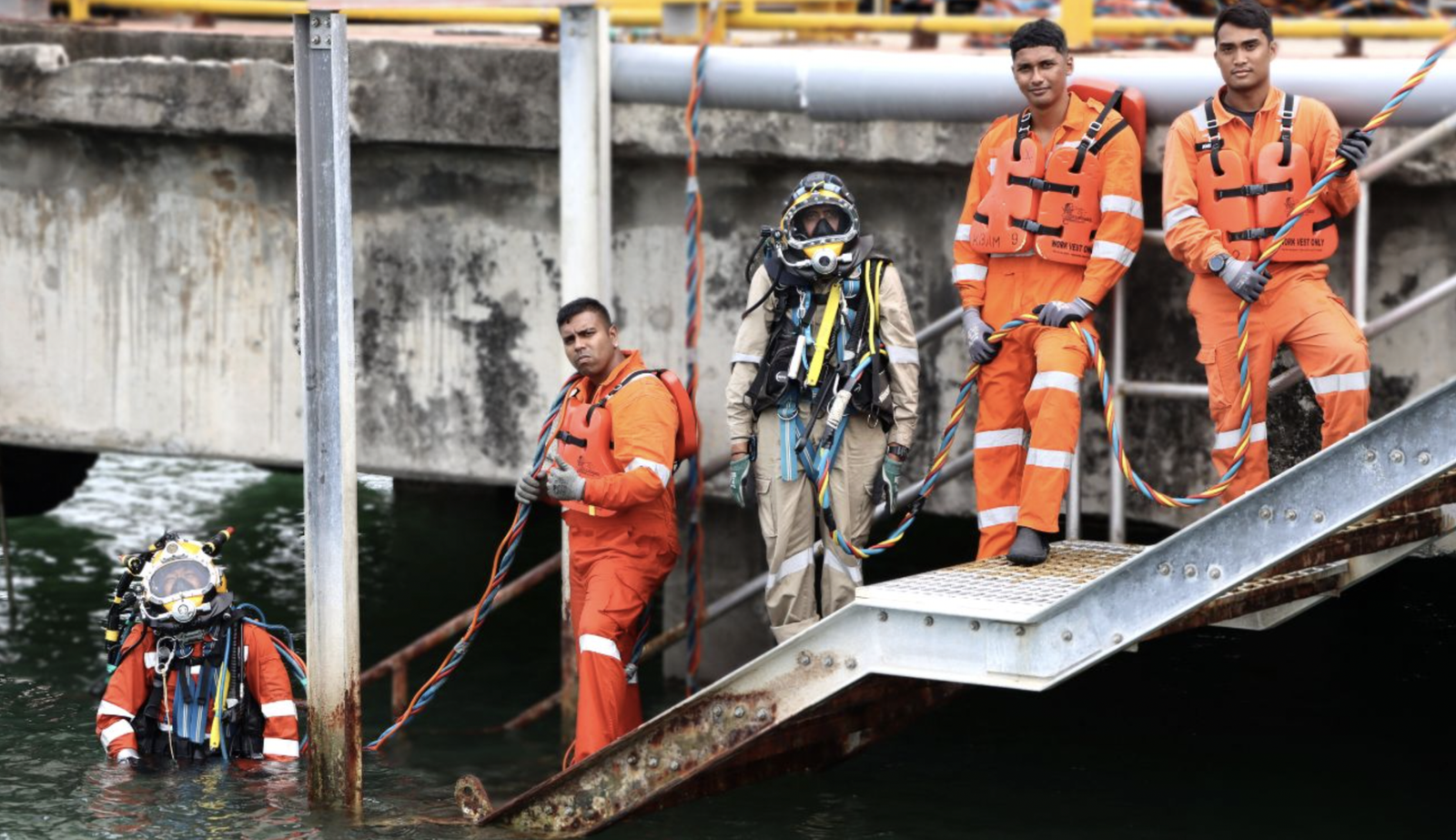
Commercial divers work in industrial conditions offshore or inland on tasks like:
— Inspecting and repairing oil rigs and pipelines
— Welding underwater structures
— Marine construction, salvage, and recovery
— Offshore wind farm installations
This is hands-on, heavy-duty work — often dangerous, always specialized.
Salary Expectations
The pay for commercial and offshore divers can be significantly higher than average professional divers:
— Average commercial divers make anywhere from $50,000 to $120,000+ annually.
— Saturation divers — a highly specialized category — can earn between $100,000 and $300,000+ per year.
— Some saturation divers working continuous contracts have reported earning as much as $300,000 to $500,000 in a year due to high day rates and extended contracts.
Why Saturation Diving Pays So Much
Saturation divers live in pressurized chambers for weeks at a time so they can safely work at great depths without decompressing each day. This high-risk, high-endurance work commands one of the highest pay scales in diving.
Qualifications
This role often requires:
— Complete a commercial diving training program (often from a specialized school).
— Acquire advanced certifications such as underwater welding or dry-suit diving
— Maintain excellent physical fitness
Pros & Cons
✔ Pro: Top income potential in diving
✔ Pro: Travel and exciting environments
✘ Con: Physically demanding and risky
✘ Con: Time away from home
3. Inland Commercial Diving — Big Pay Without the Ocean Waves
Not all lucrative diving happens offshore. Inland commercial divers work in environments like rivers, dams, ports, power plants, and reservoirs.
What They Do
Inland divers may:
— Inspect and maintain hydroelectric plants
— Repair infrastructure under bridges and docks
— Work on industrial installations like nuclear plants
— Perform underwater welding and construction
These jobs often support major engineering projects and public infrastructure.
Salary Range
The pay for inland commercial divers can be very competitive, especially with specialized skills:
— Lead inland commercial divers have been reported earning base salaries of $100,000 with overtime and project bonuses often bringing total compensation higher.
Why This Is Valuable
Major infrastructure work requires precision, safety awareness, and technical expertise. Companies often pay a premium because downtime or errors are costly.
Training Needed
To work inland commercially, divers usually need:
— Commercial diver certification
— Specialized skills (e.g., underwater welding, inspection tools)
— Strong surface support coordination skills
This role is ideal for divers who want high pay but a bit more stability than offshore work.
4. Scientific Diving — Exploring & Researching the Ocean
If your passion lies in science, conservation, or discovery, scientific diving blends field research with meaningful environmental work.
What Scientific Divers Do
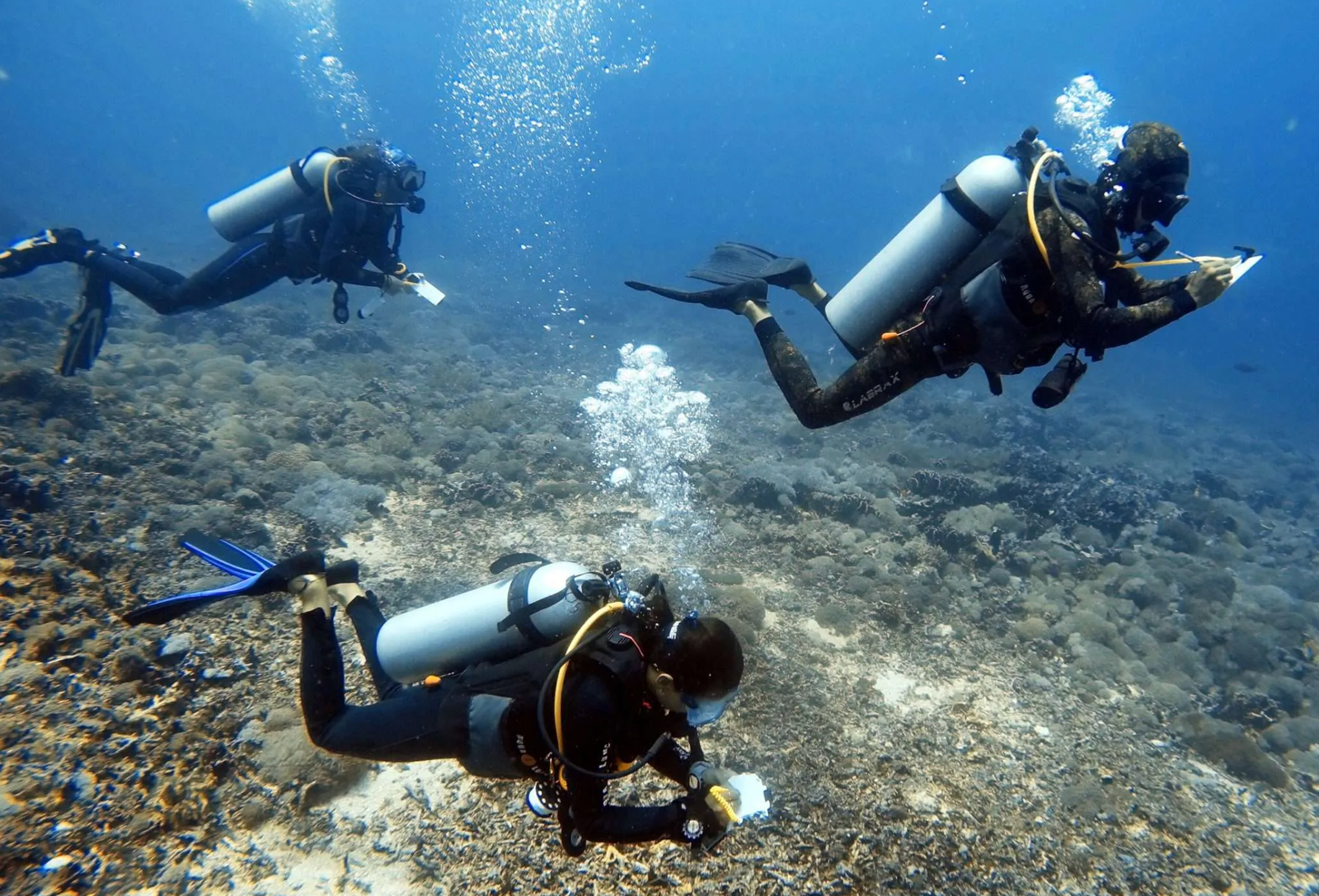
— Scientific divers help with:
— Marine biology research
— Coral reef health assessments
— Sample collection and data gathering
— Archaeological underwater excavations
These professionals help scientists explore underwater ecosystems and gather data critical to understanding the oceans.
Salary Insights
Scientific divers with advanced degrees (e.g., marine biology, ecology) who are part of major research institutions or government agencies can earn:
— Around $100,000–$130,000 annually, especially in senior or grant-funded roles.
Qualifications
This role often requires:
— A bachelor’s or master’s degree in a relevant scientific field
— Scientific diver certification
— Specialized training (cold water, dry-suit, data collection techniques)
Rewarding Aspects
✔ Pro: Work that contributes to science & conservation
✔ Pro: Often stable employment with research institutions
✘ Con: Highly competitive and limited positions
5. Aquatic Performing Arts — Underwater Shows & Media Work
For divers with showmanship and artistic flair, aquatic performing arts is a unique way to combine performance with professional diving.
What These Roles Look Like
Jobs in this category include:
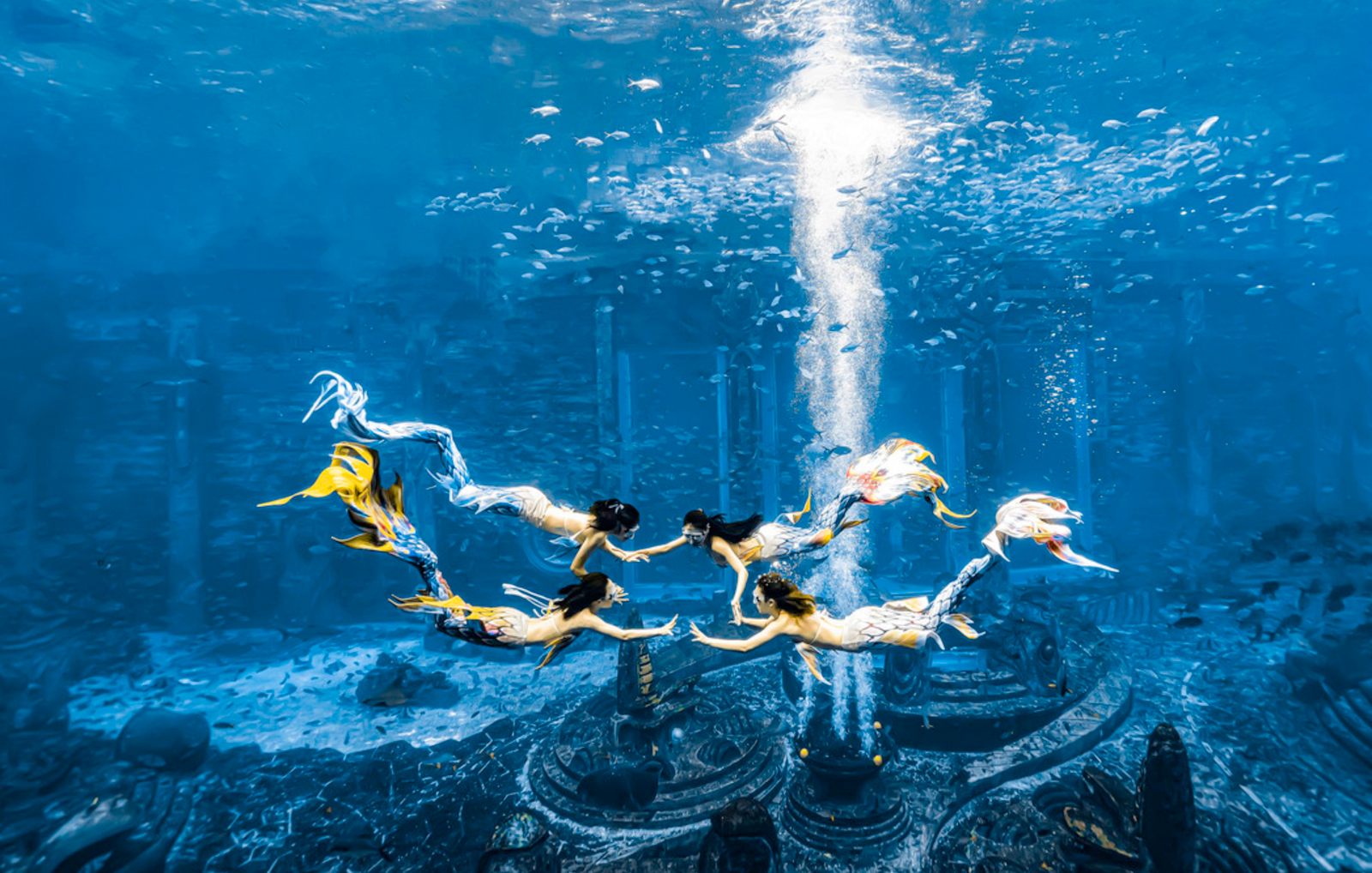
— Underwater performers for shows and live entertainment
— Mermaid/water theatre performers
— Safety divers for film and television productions
— Underwater stunt work
Unlike many diving jobs, this path is more creative and varied — requiring breath control, choreography, and the ability to perform under pressure.
Earnings Potential
Pay can vary widely depending on contracts and productions. For safety divers in film & TV, jobs are often higher-paying because of strict safety and legal requirements, plus the value of experienced divers.
Qualifications
Success in this area often requires:
— Dive certifications (advanced open water and rescue or higher)
— Specialized performance training
— Good swimming and breath-holding ability
— A portfolio or media experience
Why It’s Worth Considering
✔ Pro: Creative, fun, and sometimes glamorous
✔ Pro: Opportunity to travel for productions
✘ Con: Inconsistent work and project-based income
What It Takes to Get Started — Certifications & Skills
Across all these paths, scuba divers must progress beyond recreational diving to professional status. Key steps include:
1. Core Certifications
— Advanced Open Water – deeper dives, more skills
— Rescue Diver – essential for safety professions
— Divemaster or Instructor – professional training
More advanced jobs may require:
— Commercial Diving Certification (for industrial roles)
— Specialty Certifications (e.g., underwater welding, technical diving)
These programs help you develop skills employers need.
2. Experience Counts
Most high-pay paths expect hundreds of logged dives and experience in a variety of conditions. Building a strong dive log helps you stand out.
3- Physical Fitness
Diving, especially commercial and military work, demands excellent physical conditioning and the ability to manage stress.
4. Education (Where Needed)
For scientific roles, a degree in marine biology or environmental science is often required, while technical roles like underwater welding require trade skills.
Trade Your Desk for Fins?
Professional diving offers more than just a paycheck — it’s a lifestyle, a passion, and a gateway to experiences most people never have. Whether you want the adrenaline of commercial work, the purpose of scientific research, the structure of military service, or the flair of underwater performance, there’s a path for you.
Profit, adventure, and meaning can all be part of a diving career — but preparation and dedication matter. Get certified, dive often, and choose the path that fits your goals and values.
Ready to trade your desk for fins? The underwater world is waiting — and it pays.