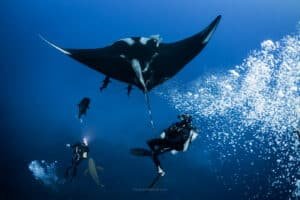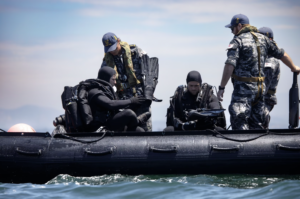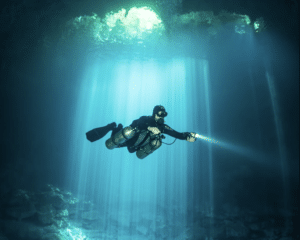
Scuba diving is magical — whether you’re drifting over a coral reef in the open sea or floating through crystal-clear freshwater in a cenote in Yucatán. That feeling of weightlessness, silence, and connection with nature is hard to compare to anything on land.
But walking away with unforgettable memories — and without stress or regret — requires more preparation than most first-timers expect.
Before I got certified and took my first real diving trip, there are a few things I truly wish someone had told me. Some are practical, others are about mindset… but all of them would have made my first experience smoother, calmer, and way more enjoyable.
Here’s a guide based on real dive experience, expert advice, and lessons learned both in the ocean and cenotes around Mérida, Yucatán — so you’re fully prepared for your first scuba diving trip, wherever it takes you.
1. Don’t Overpack
One of the first mistakes many divers make is packing like it’s a fashion trip. The reality?
You’ll live in swimsuits, dive gear, and comfortable clothes — whether you’re on a boat in the Caribbean or heading into the jungle to reach a cenote.
Less Clothing, More Dive Space
Most dive days look the same, no matter the environment:
— Swimsuits
— Rash guards and towels
— Wetsuit or exposure suit
— Flip-flops or water shoes
Those extra outfits you pack “just in case” almost never get used. Meanwhile, dive gear takes up real space — especially if you’re bringing your own equipment.
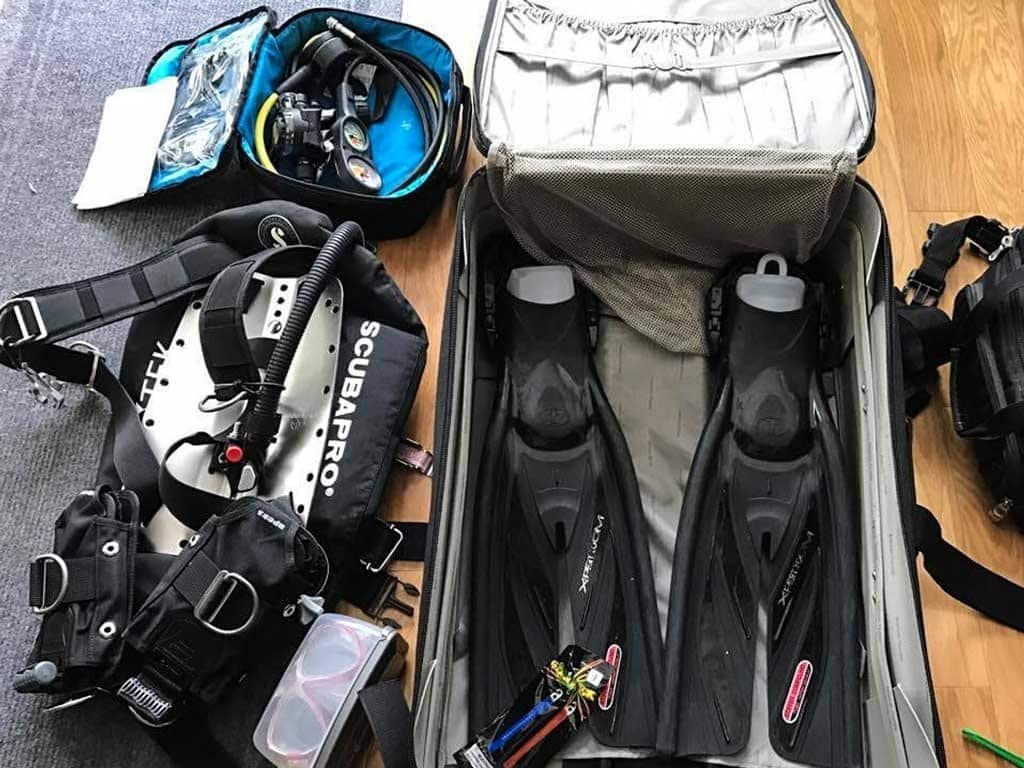
Dive gear adds up fast:
— Wetsuit
— Mask and snorkel
— Fins
— Regulator
— Dive computer
— BCD
Even if you’re renting equipment locally (very common in both ocean diving and cenote diving in Yucatán), you’ll still want space for essentials that make a huge difference:
— Reef-safe sunscreen (and cenote-safe products)
— Dry bag (especially important in cenotes)
— Water shoes
— Camera gear and chargers
In cenote diving around Mérida, a dry bag is almost non-negotiable. You’ll often walk through jungle paths, rocky entrances, or wooden platforms before entering the water — keeping your clothes and electronics dry is key.
Packing Light, Diving Smart
Practical rule of thumb:
— Bring clothes you can re-wear
— Leave heavy makeup and “just in case” outfits at home
— Prioritize comfort and function over looks
Packing lighter means less stress, faster gear setup, and more energy for what really matters: the dive itself.
2. Everyone Is A Buddy
Many first-time divers hesitate to book a trip alone, especially if their friends or partner don’t dive. But here’s something that applies whether you’re diving in the ocean or cenotes: The dive community is incredibly social.
The Buddy System Goes Beyond Safety
Yes, the buddy system exists for safety — but it doesn’t mean you need to arrive with your own dive partner. Dive centers routinely pair divers based on:
— Experience level
— Air consumption
— Comfort in the water
This is especially common in cenote diving near Mérida, where small groups and guided dives are the norm. vYou’ll meet people naturally:
— During gear setup
— At dive briefings
— On the boat or at the cenote entrance
— While waiting between dives
Diving instantly gives you something in common, and that breaks the ice fast.
Making Friends Happens Naturally
Most divers are:
— Friendly
— Curious
— Supportive
You’ll swap:
— Tips about buoyancy
— Stories about marine life or cave formations
— Laughs about nerves before the first dive
It’s very common to start the day diving with strangers and end it sharing tacos, stories, and future dive plans.
3. Diving Is Exhausting
Diving looks calm and effortless from the surface, but whether you’re doing boat dives or cenote dives, it demands energy.
Diving Takes More Out of You Than You Think
On a dive day, you’ll be:
— Carrying heavy gear
— Walking with equipment (sometimes through jungle paths to cenotes)
— Managing buoyancy and breathing
— Staying mentally alert underwater
Even cenote diving — often calm and current-free — can be tiring due to:
— Longer dive times
— Cold freshwater temperatures
— Focus required for trim and buoyancy
Add early mornings and multiple dives per day, and it adds up quickly.
Eat, sleep, dive, repeat — and yes, naps are part of the plan.
How to Keep Your Energy Up
— Eat smart: Light, balanced meals work best before diving. Heavy or greasy food can make you uncomfortable underwater.
— Hydrate constantly: Dehydration increases fatigue and can affect your dive performance.
— Sleep well: Diving tired affects both enjoyment and safety.
— Pace yourself: You don’t need to dive every single day — rest days are part of a good dive trip.
Listening to your body is one of the most underrated dive skills.
4. Know The Local Culture
Scuba diving often takes you into communities that depend on tourism, conservation, and local knowledge — and this is especially true in places like Yucatán.
Why Culture Matters
Before arriving, take time to learn:
— Basic greetings
— Tipping customs
— Dress expectations outside the water
— Respectful behavior at natural sites
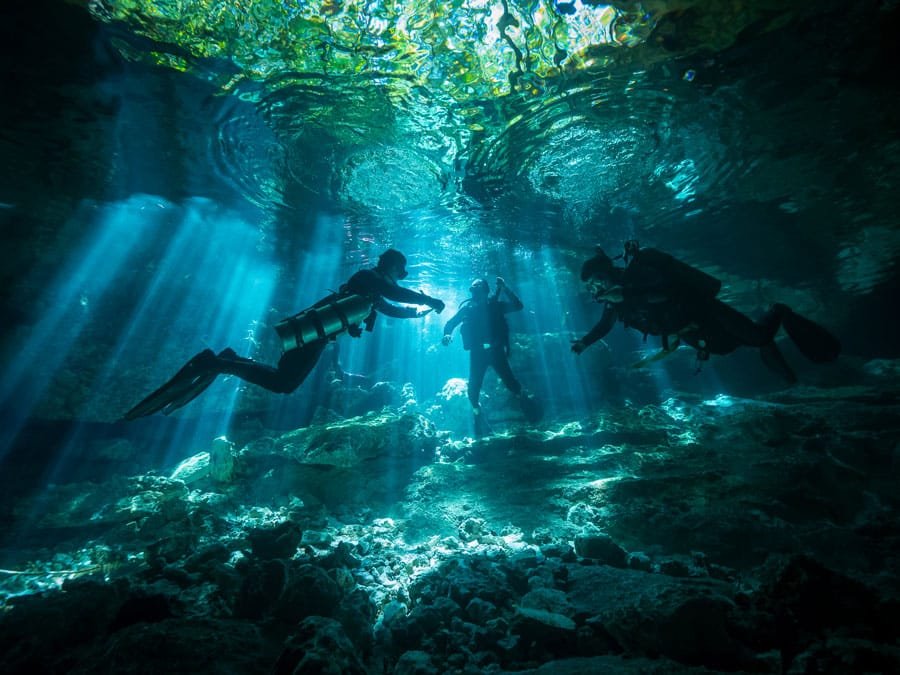
Many cenotes are located on private land or have deep cultural and historical significance. Treating them with respect isn’t just polite — it’s essential.
Your Dive Guides Are Local Experts
Whether you’re diving the ocean or cenotes, local guides know:
— Weather and water conditions
— Seasonal changes
— Safety considerations
— Hidden details you’d never notice alone
In Yucatán, many guides also share stories about:
— The geology of cenotes
— Maya history
— Conservation efforts
Engaging respectfully turns a dive into a richer, more meaningful experience.
5. Planning Is Harder Than It Looks
First-time divers often underestimate how much planning goes into a smooth dive trip.
Timing & Conditions Matter
Dive conditions depend on:
— Seasons
— Weather
— Water temperature
— Visibility
In the ocean, currents and waves play a big role. In cenotes, rainfall and water clarity can change conditions.
Knowing when and where to dive makes the difference between a good dive and an unforgettable one.
Dive Planning Isn’t Optional
Safe diving requires:
— Proper surface intervals
— Controlled dive profiles
— Attention to nitrogen buildup
This applies to both ocean dives and cenote dives — especially when doing multiple dives over several days.
Logistics Add Up
You’ll need to think about:
— Gear rental vs bringing your own
— Transportation to dive sites or cenotes
— Dive shop reputation
— Certification requirements
— Insurance
Or… you can simplify everything by joining a well-organized dive center or group and focusing on what you came for: diving.
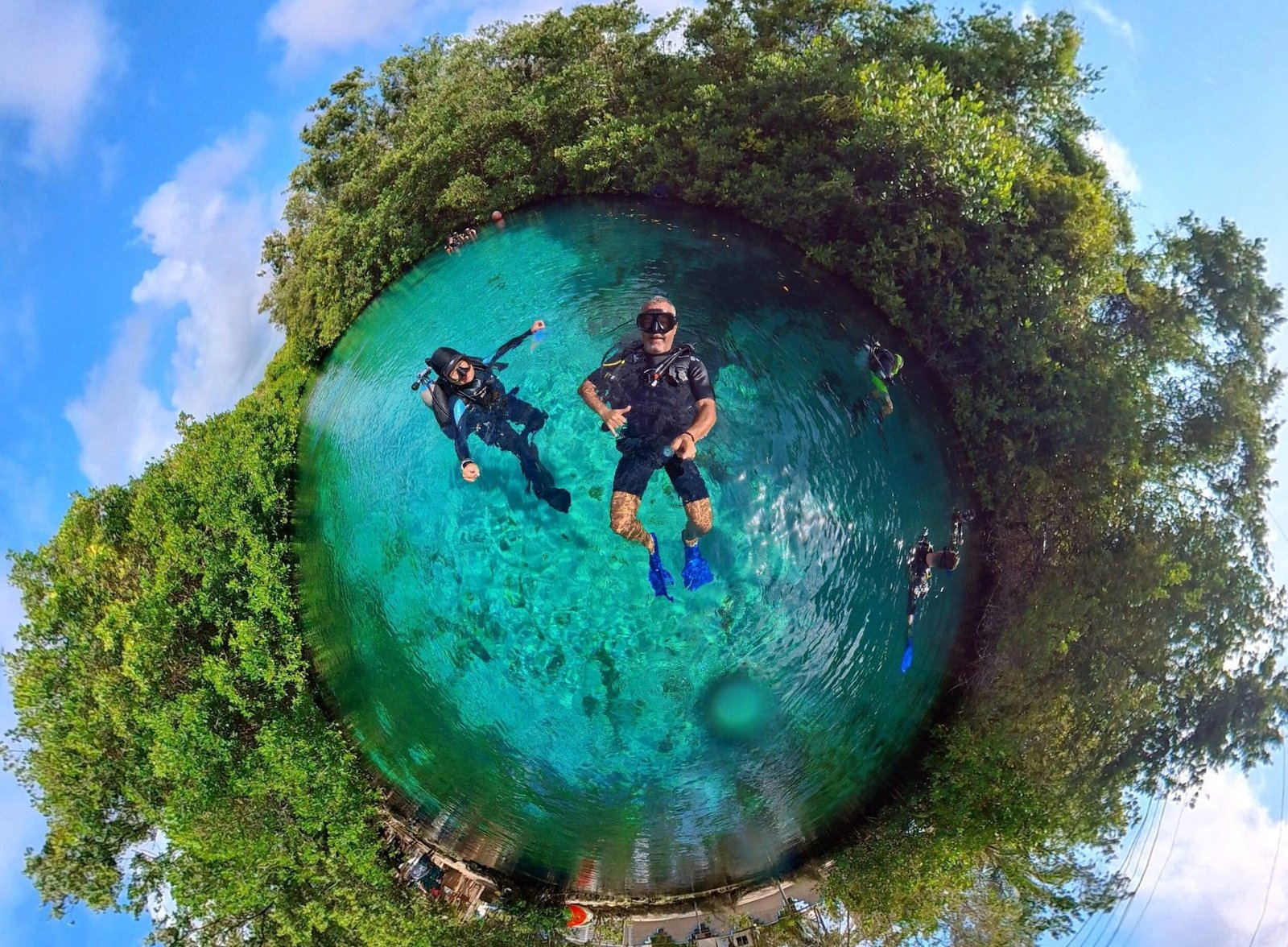
Whether your first scuba diving trip takes you into the open sea or into the crystal-clear cenotes of Mérida, Yucatán, preparation makes all the difference.
Pack light. Stay curious. Respect the environment. And trust the process — the underwater world is worth it.