A Complete Expedition Guide to Mexico’s Most Remote Dive Destination
Where Is the Revillagigedo Archipelago?
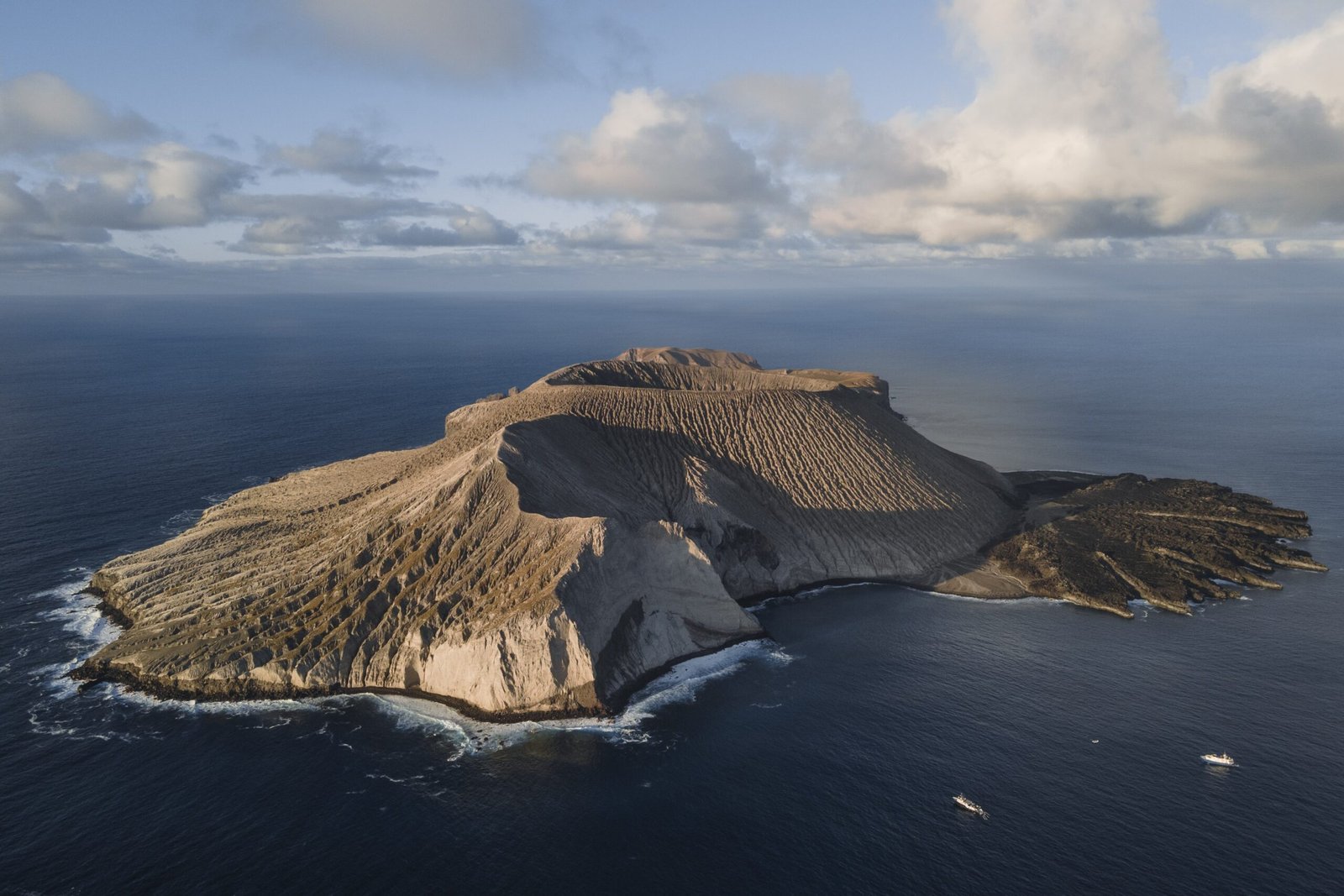
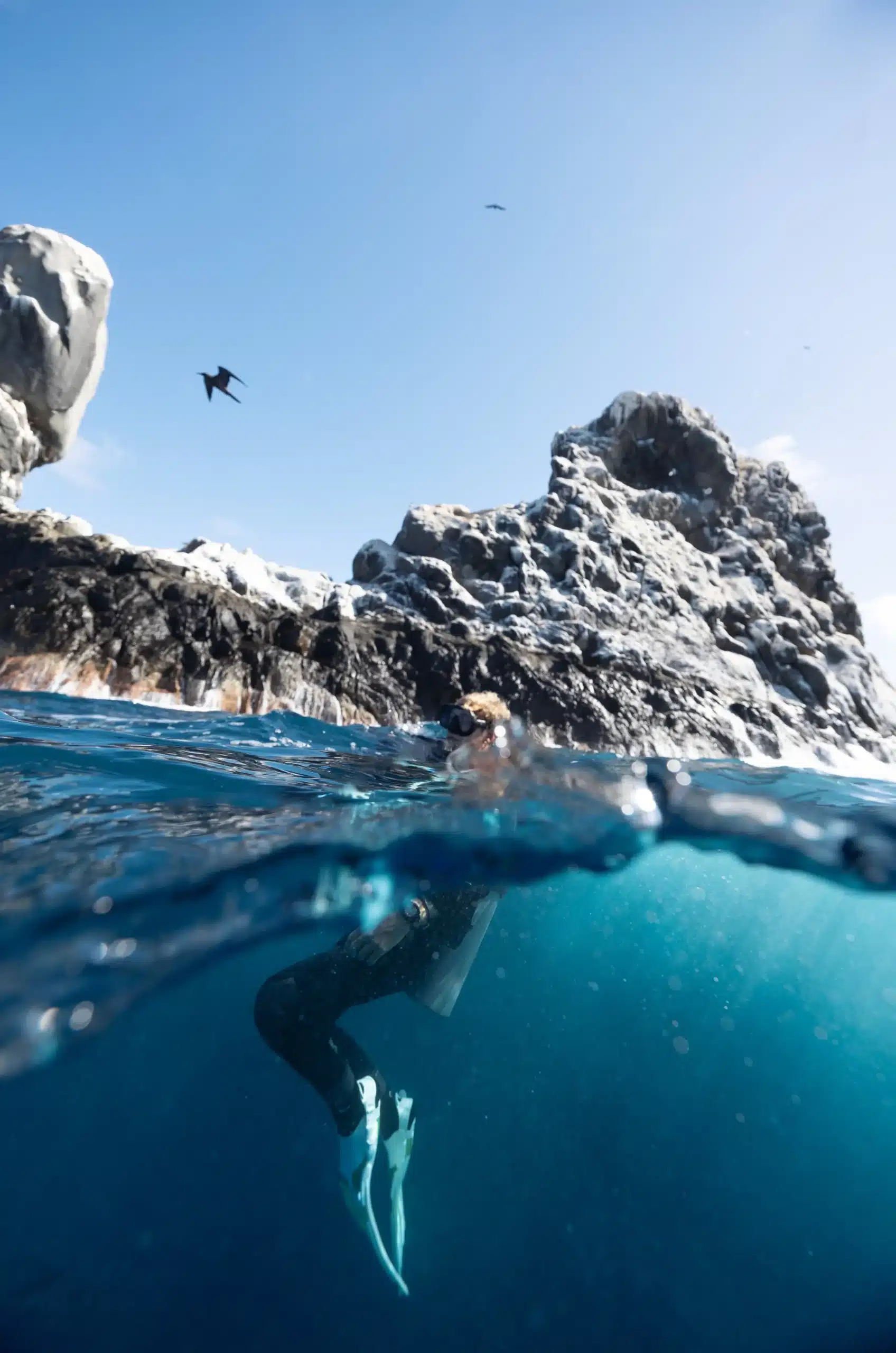
The Revillagigedo Archipelago is a chain of four volcanic islands located in the eastern Pacific Ocean, approximately 390 km (240 miles) southwest of Cabo San Lucas, at the very edge of the Baja California peninsula’s continental influence.
Unlike coastal dive regions connected to reef systems, these islands rise dramatically from abyssal depths exceeding 3,000 meters (10,000 feet). This geological isolation creates a true oceanic environment—one governed by pelagic migration routes, seamount upwellings, and deep-water nutrient flows rather than reef ecology.
The islands—San Benedicto, Socorro, Roca Partida, and Clarión—are uninhabited except for a small Mexican naval outpost on Socorro. There are no tourism facilities, no ports, and no infrastructure. Access is exclusively by liveaboard vessel, reinforcing the expeditionary nature of every visit.
Because of their remoteness, these islands function less like a traditional dive destination and more like a biological aggregation point in the open ocean. Many species encountered here are migratory and interact with the islands as navigational or cleaning stations during vast transoceanic journeys.
A Globally Protected Marine Sanctuary
In 2016, the islands were designated a World Heritage Site by UNESCO, recognizing the archipelago as one of the most ecologically intact marine environments left on Earth. The designation acknowledged both its biodiversity and its importance as a refuge for large pelagic species increasingly threatened elsewhere.
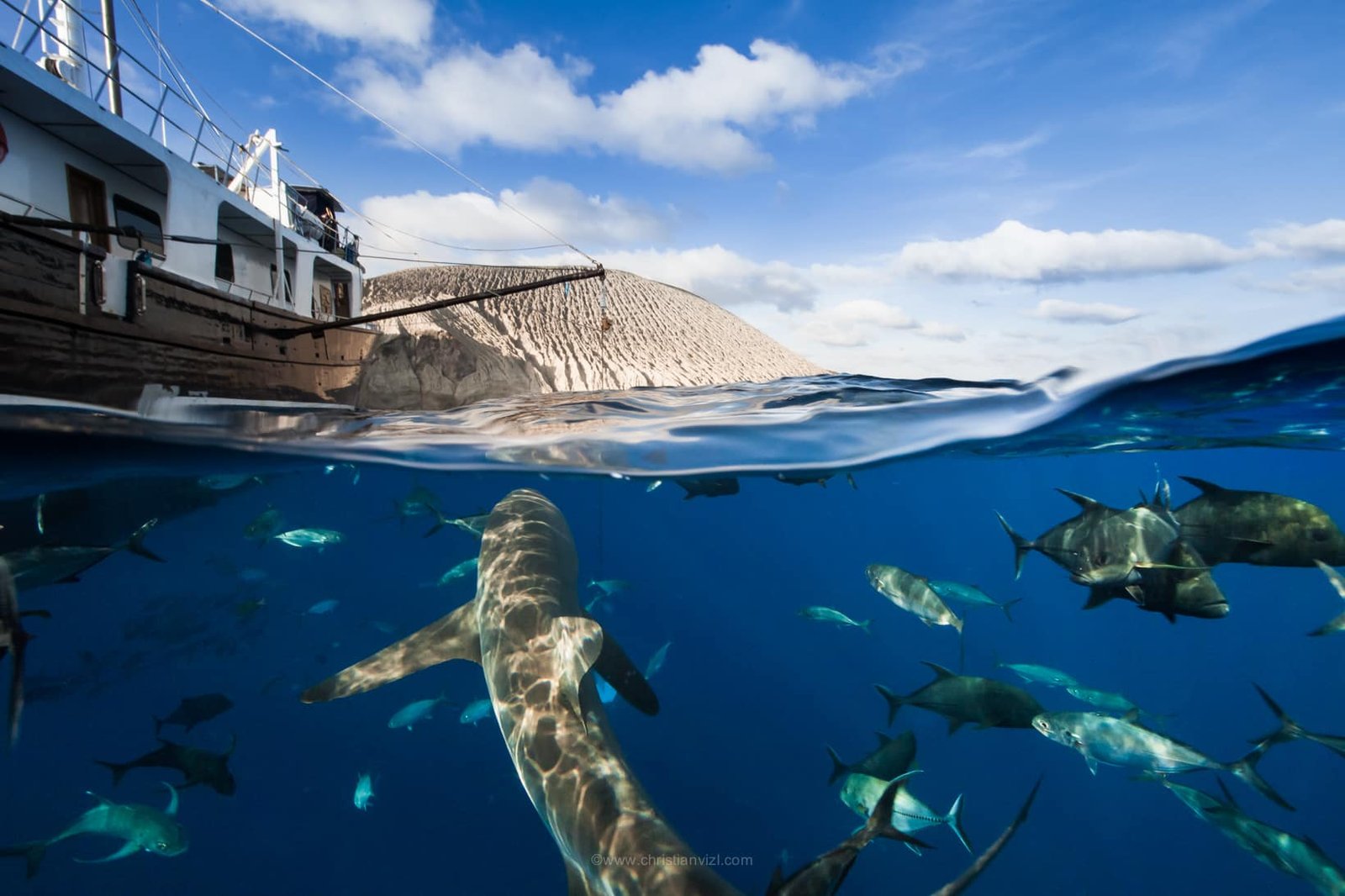
In 2017, Mexico further strengthened protection by establishing Revillagigedo as a National Park and enforcing a no-take marine reserve across more than 140,000 square kilometers. Commercial fishing is prohibited, which has allowed shark populations, manta rays, and other apex species to recover to densities rarely observed in modern oceans.
For divers, this level of protection translates into an experience that feels remarkably wild—animals exhibit natural, unpressured behavior, and encounters often unfold slowly and curiously rather than fleetingly.
Understanding the Nature of Diving Here
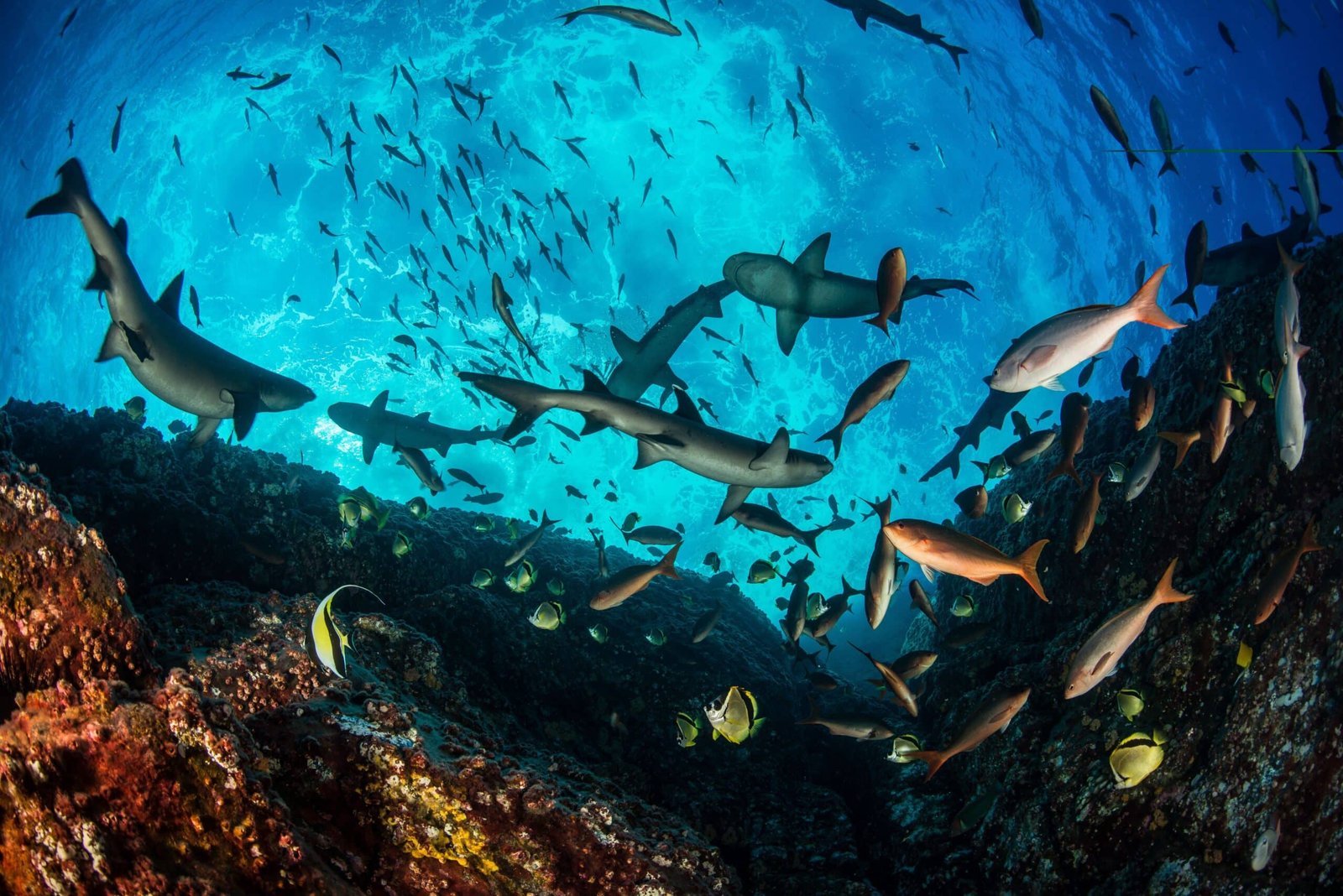
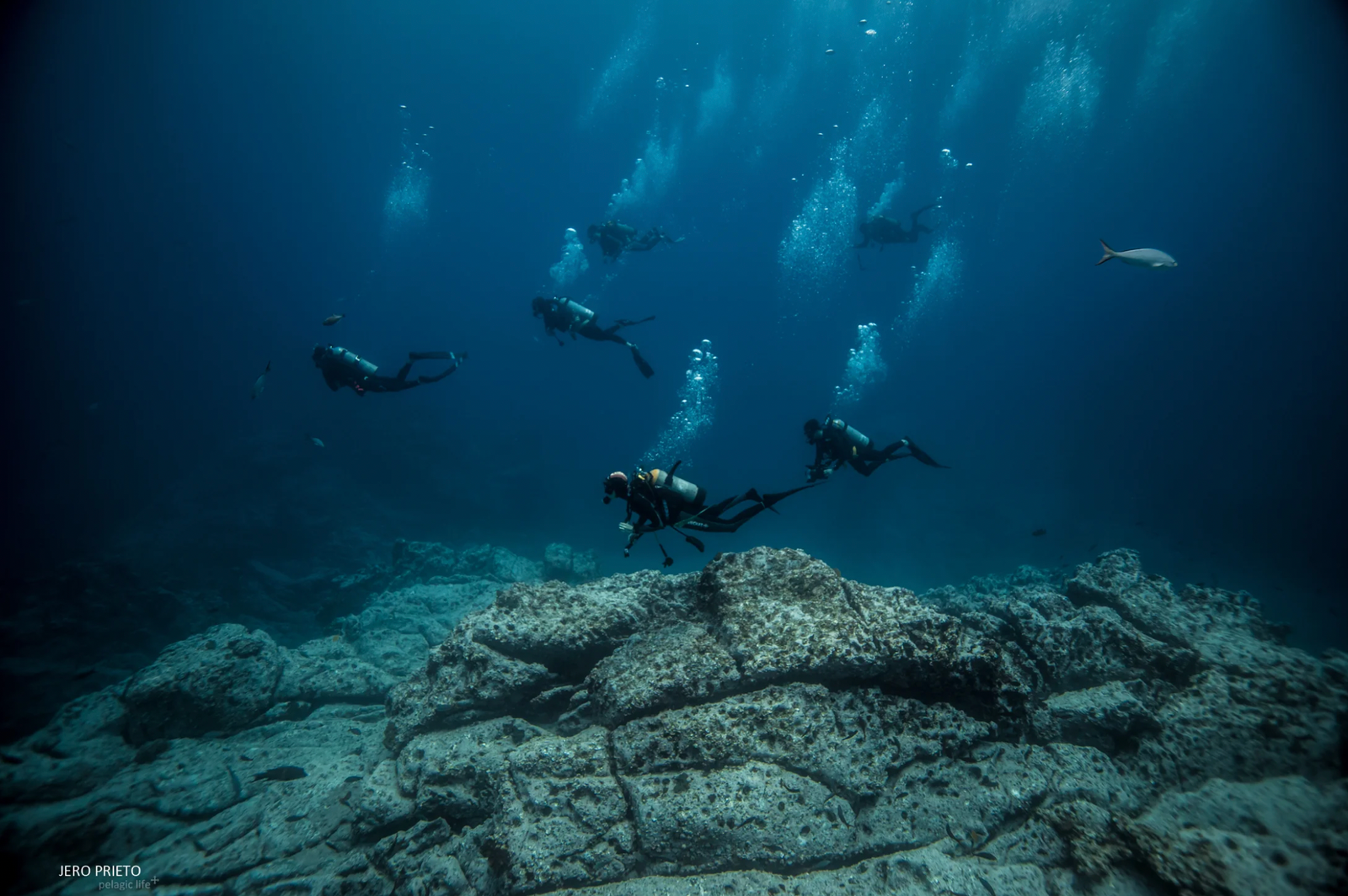
Revillagigedo is not a coral reef destination. It is defined by pelagic, blue-water diving focused on large marine fauna. The underwater landscape consists primarily of volcanic ridges, submerged seamounts, and sheer walls dropping into open ocean. While there is some reef-associated life, the visual drama and biological significance come from the constant movement of large animals through the water column.
Divers often describe the experience not as “exploring a site,” but as “waiting within an ecosystem.” You descend, position yourself relative to current and structure, and allow the ocean to deliver encounters—manta rays circling overhead, sharks materializing from the blue, or dolphins arriving unexpectedly.
This dynamic makes Revillagigedo fundamentally different from destinations where divers swim to find life; here, life comes to you.
Diving Conditions and Required Experience
Revillagigedo is best suited for experienced divers comfortable in open-ocean environments.
Conditions frequently include:
— Moderate to strong currents
— Blue-water descents without visual bottom reference
— Drift-style dive profiles
— Zodiac entries and pickups in moving seas
— Depth ranges typically between 18 and 30 meters (60–100 feet)
Most operators recommend Advanced Open Water certification and at least 50 logged dives, with prior experience in current or offshore diving environments strongly encouraged.
When Is the Best Time to Dive Revillagigedo?
The operational dive season runs from November through May. Outside this window, the region is affected by Pacific storms and hurricane systems, making crossings unsafe and unpredictable.
Seasonality influences water temperature, current strength, and species presence:
— November to January
Early season conditions tend to offer slightly warmer water and stable surface weather. Pelagic sharks are abundant, and manta encounters are already reliable.
— February to March
This period coincides with humpback whale migration through the region. While whales are typically observed from the surface rather than during dives, their presence adds a powerful dimension to the experience. Cooler upwellings during these months often stimulate feeding activity among large predators.
— April to May
Late season frequently delivers the best visibility and some of the most consistent manta interactions. Many experienced guides consider this the optimal balance of conditions and expedition comfort.
Rather than a single “perfect month,” Revillagigedo offers different biological emphases across the season, rewarding divers who choose dates aligned with their priorities.
Climate and Water Conditions
Revillagigedo lies within a subtropical zone, but its offshore position moderates temperatures.
— Air temperatures typically range from 20°C to 27°C (68°F–81°F).
— Water temperatures fluctuate between 21°C and 26°C (70°F–79°F).
— Thermoclines are common and can create noticeable temperature changes during a single dive.
Because divers conduct multiple dives daily over a week-long voyage, thermal protection is important. Most operators recommend a 5 mm to 7 mm wetsuit, often supplemented with a hooded vest for comfort during repetitive exposures.
Sea conditions can vary significantly. Even during calm seasons, long-period Pacific swells remind visitors that they are far from continental shelter.
Signature Marine Life Encounters
Revillagigedo’s reputation rests on megafauna density and interaction quality rather than biodiversity counts.
— Giant Oceanic Manta Rays
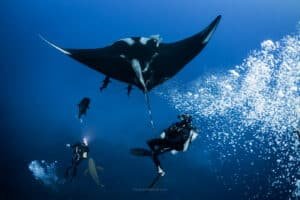
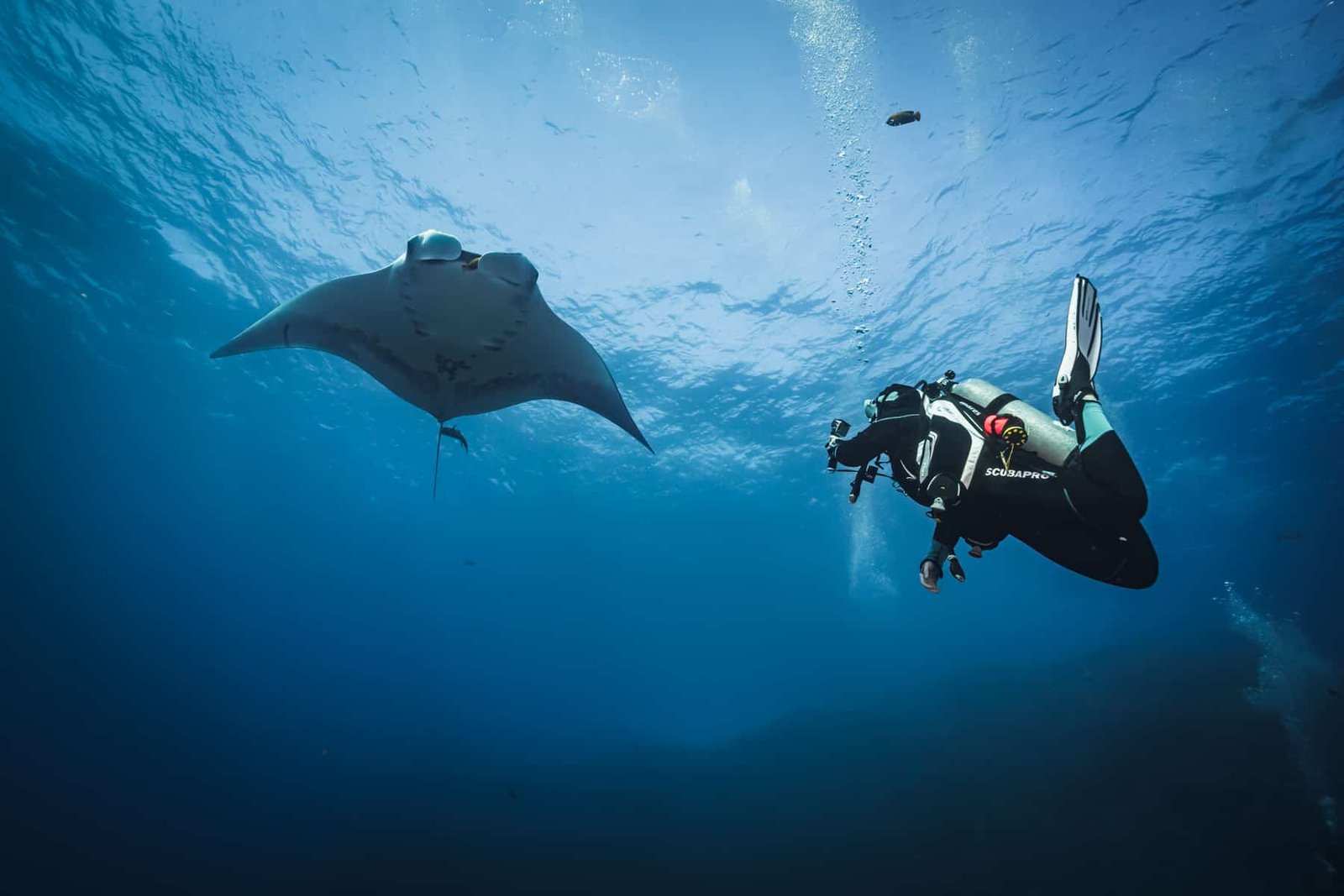
These are the defining species of the archipelago. Individuals are known to approach divers deliberately, sometimes remaining overhead for extended periods. Scientists believe the islands function as cleaning and social interaction sites for mantas traveling vast ocean ranges.
— Shark Assemblages
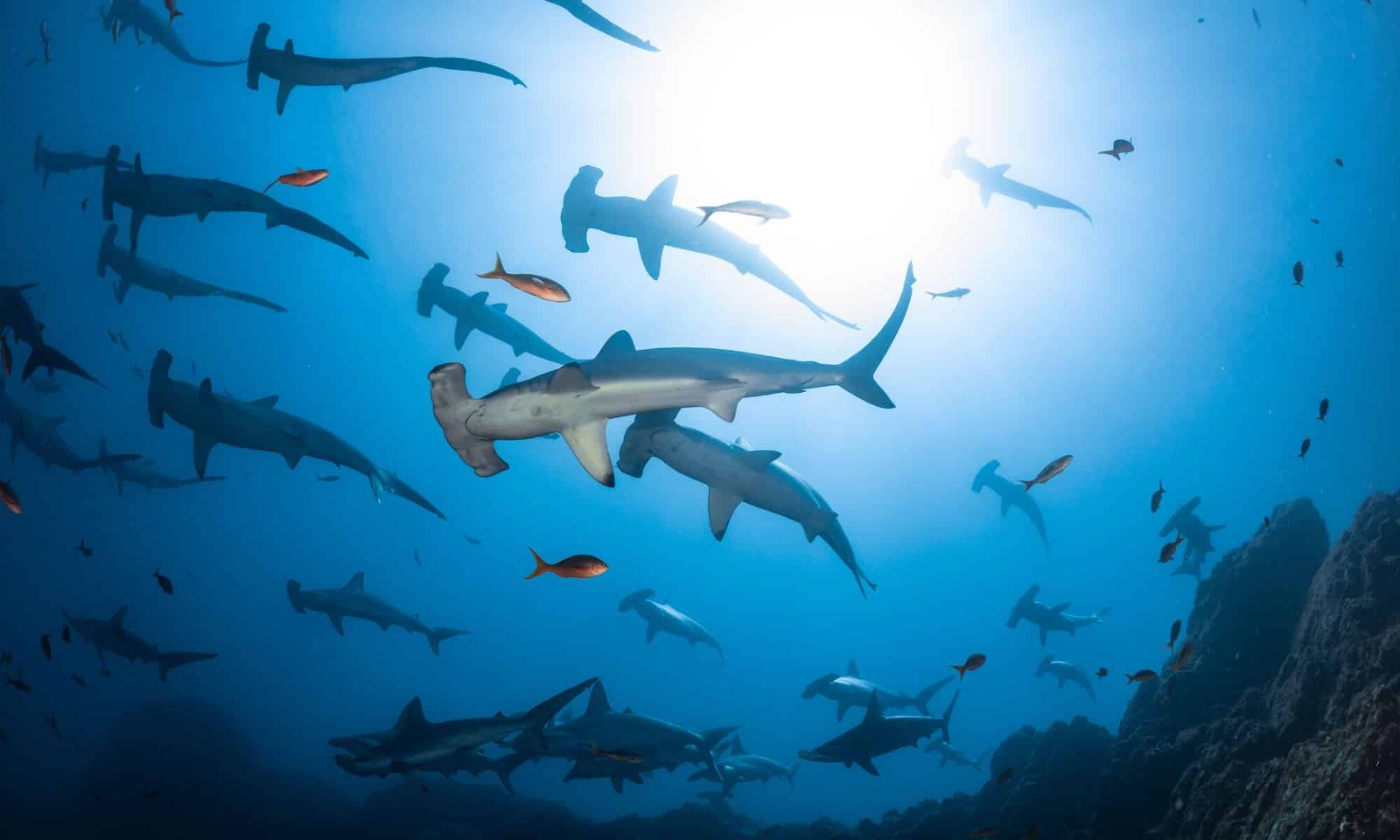
Silky sharks, Galápagos sharks, and schooling hammerheads are common, particularly near Roca Partida and current-swept ridges. The protected status of the reserve allows these predators to behave naturally, often moving confidently through diver groups.
— Dolphins
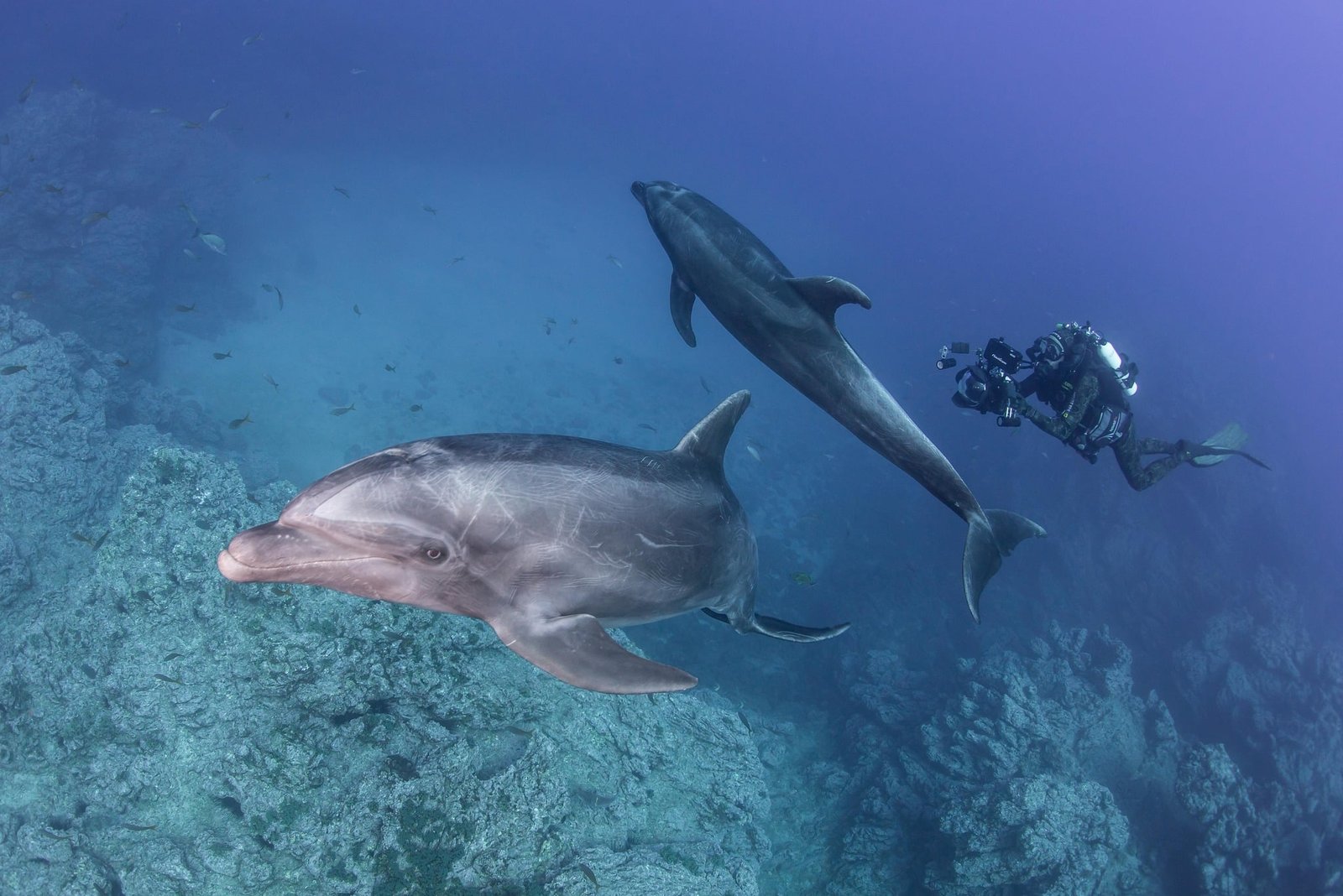
Bottlenose dolphins are frequently encountered and are among the most interactive wildlife experiences here, occasionally initiating prolonged contact.
— Seasonal Visitors
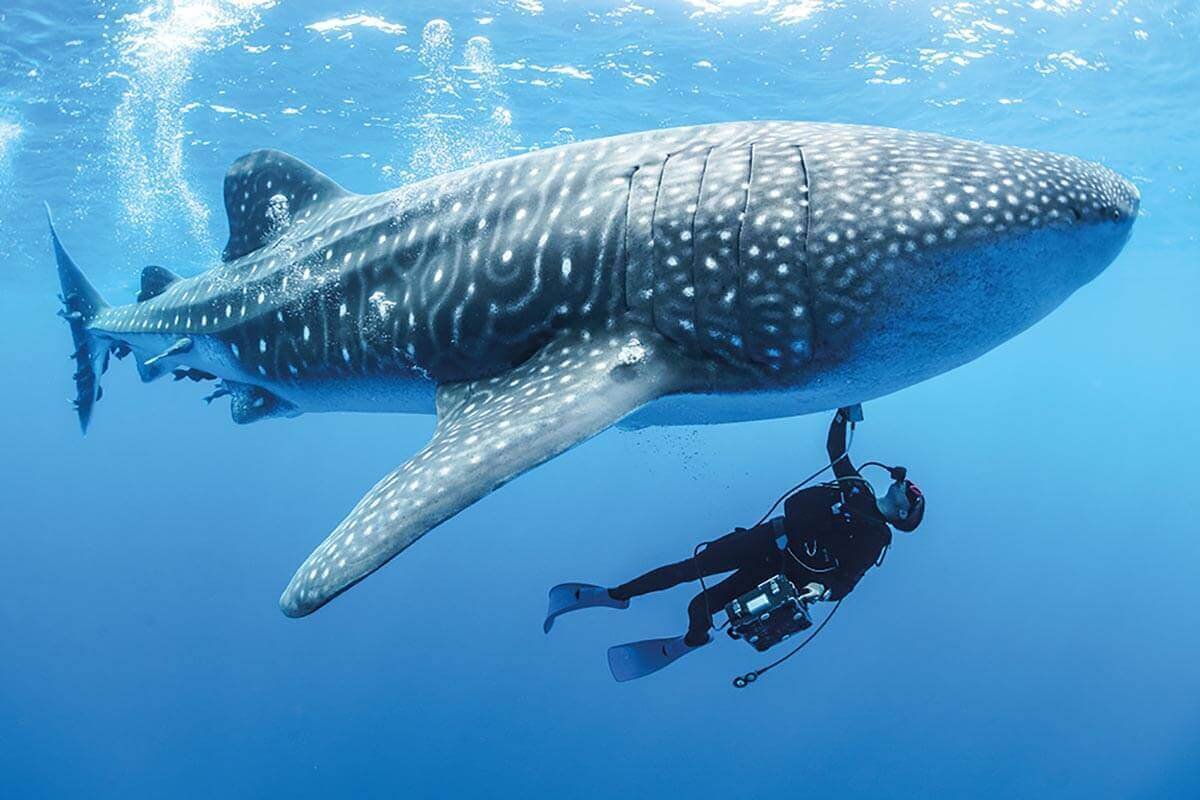
Humpback whales migrate through the region from January to April, and whale sharks may appear sporadically. Massive tuna schools and baitball events can occur late in the season, attracting intense predatory action.
The ecosystem functions as a crossroads for migratory species rather than a static habitat.
Major Dive Areas Within the Archipelago
— San Benedicto Island
Known for the seamount called “The Boiler,” where mantas congregate. This is often the emotional highlight of a trip, with long, close interactions.
— Socorro Island
Offers varied topography, including ridges and cleaning stations where sharks and mantas intersect with strong currents.
— Roca Partida
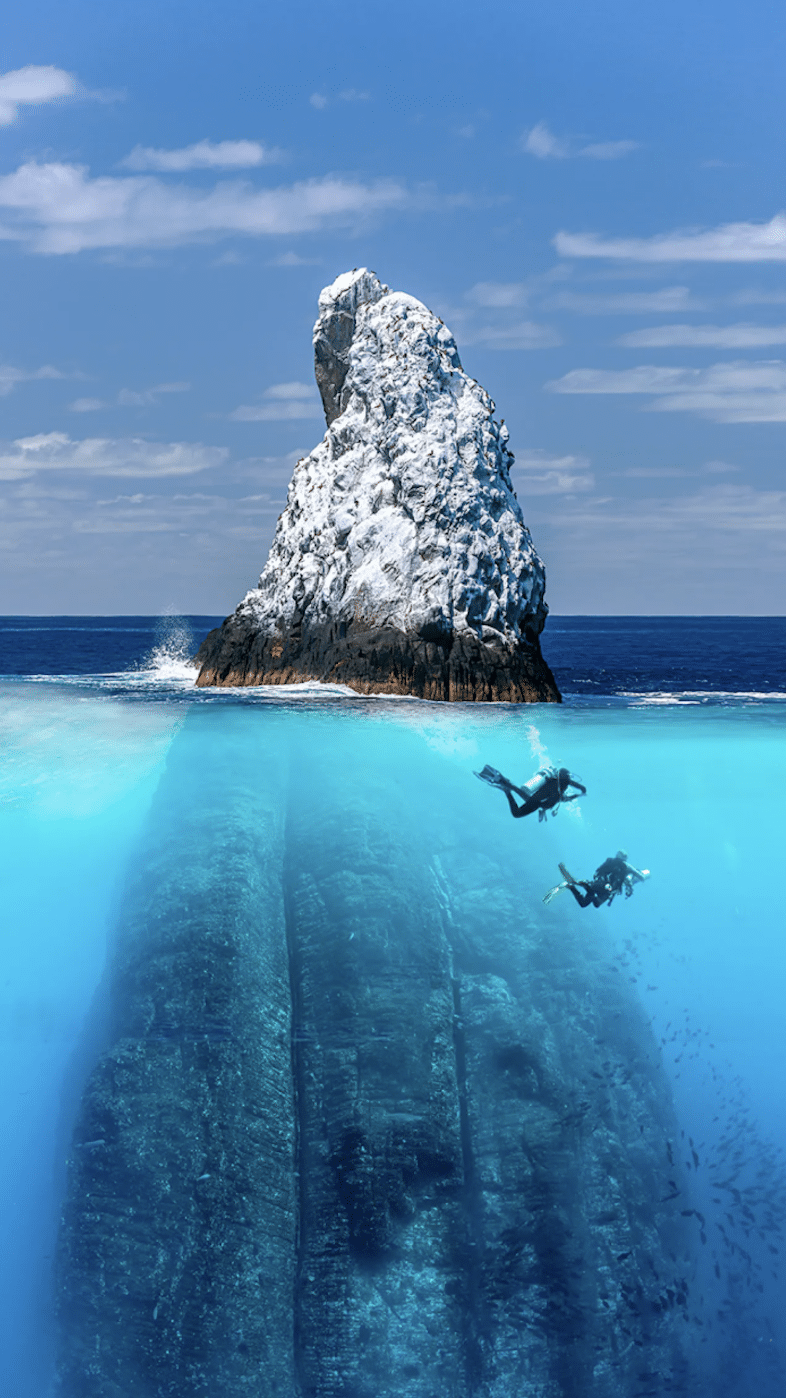
A narrow pinnacle rising vertically from deep water, famous for concentrated shark populations and schooling fish swirling around the rock like a living vortex.
Each site reflects a slightly different ecological function, and itineraries rotate among them to maximize exposure to conditions.
Once divers understand the environment and demands of Revillagigedo, the next step is planning how to reach one of the most isolated dive regions in the Eastern Pacific.
Travel Logistics: Getting There and Planning Your Arrival
All expeditions to the Revillagigedo Archipelago begin in Cabo San Lucas, located at the southern tip of Mexico’s Baja California Peninsula. Divers must fly into Los Cabos International Airport (SJD), which is well connected to major cities in North America.
It is strongly recommended to arrive at least one full day before embarkation. Weather delays, missed connections, or baggage issues can cause you to miss the vessel—and unlike resort diving, the boat cannot wait. Once it departs, it is committed to a 24-hour offshore crossing.
Most liveaboards provide scheduled transfers from host hotels to the marina on embarkation day. Guests typically board in the late afternoon, complete safety briefings, assemble gear, and depart that evening.
Because of the remote nature of the trip, think of this as joining an expedition rather than checking into a vacation. Preparation on land ensures success at sea.
Liveaboards: The Only Way to Experience Revillagigedo
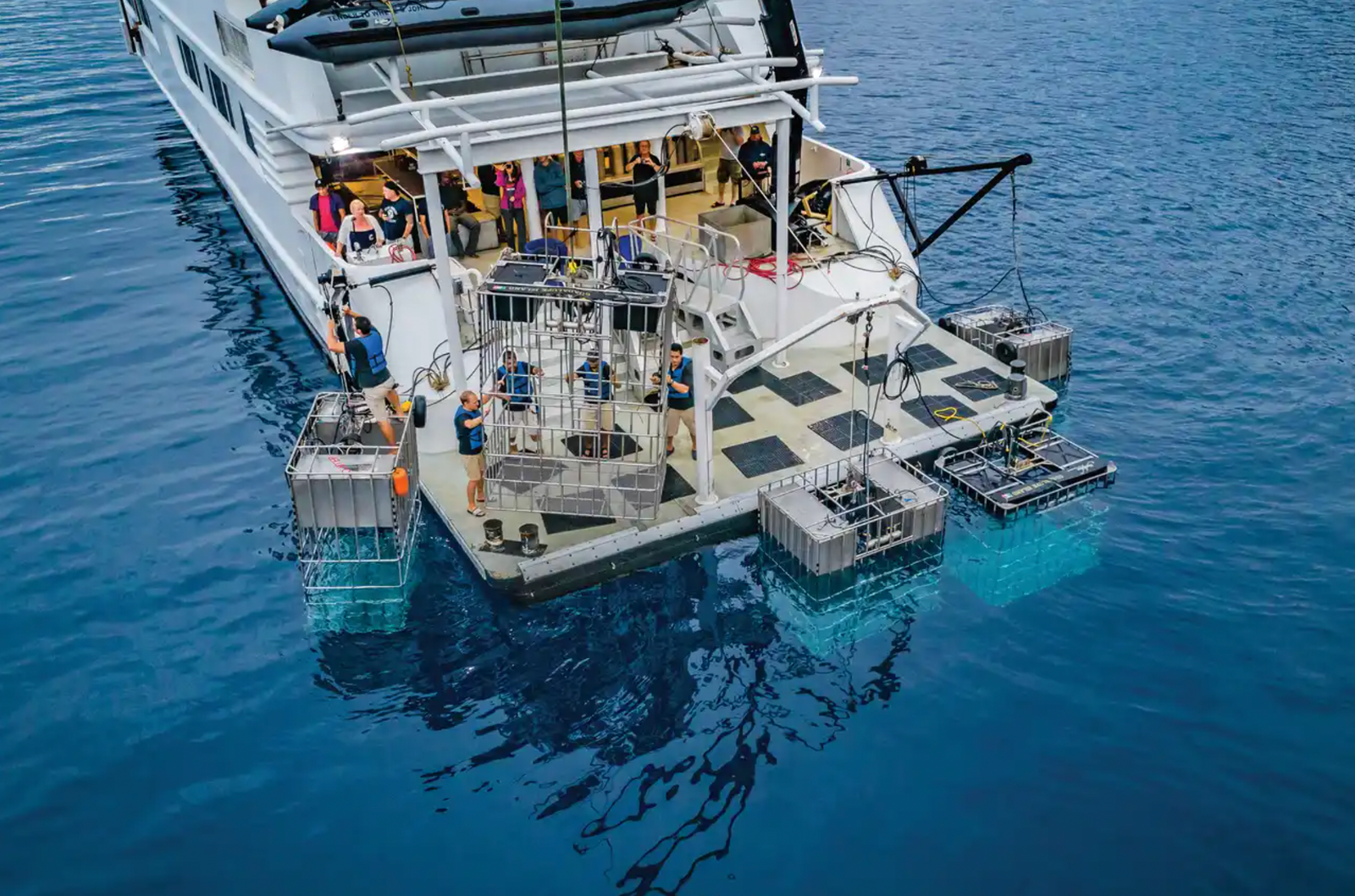
There is no land-based diving in the Revillagigedo Archipelago—no resorts, no day boats, and no shortcuts. Every visit to this remote marine reserve is conducted via dedicated liveaboard expeditions departing from Cabo San Lucas. Reaching the islands requires an open-ocean crossing of roughly 24 hours each way, an essential part of the journey that underscores just how isolated and protected this ecosystem truly is.
Rather than simply transporting divers to a destination, these vessels function as self-contained exploration platforms—your accommodation, dive center, and logistical lifeline combined—operating hundreds of miles from the nearest mainland.
Choosing Your Liveaboard: The Fleet That Operates Revillagigedo
Because access to the archipelago is only possible by expedition vessel, selecting the right liveaboard is one of the most important decisions you’ll make when planning this trip. While all operators follow similar routes and strict national park regulations, the onboard atmosphere, level of comfort, group size, and style of dive operations can vary considerably.
Some vessels emphasize a rugged, expedition-driven approach focused almost entirely on maximizing time in the water, while others offer a more refined balance of adventure and comfort designed for long crossings and repetitive dive days.
Below is a detailed breakdown of the five primary vessels currently operating in the region, each offering a distinct way to experience one of the world’s last great pelagic dive environments.
1. Nautilus Explorer
Style: Expedition-focused with strong comfort level
Best For: Divers who want a balance of serious diving and reliable comfort
Trip Length: Typically 9 nights / 6–7 dive days
Price Range: ~$3,400–$4,300 USD per person
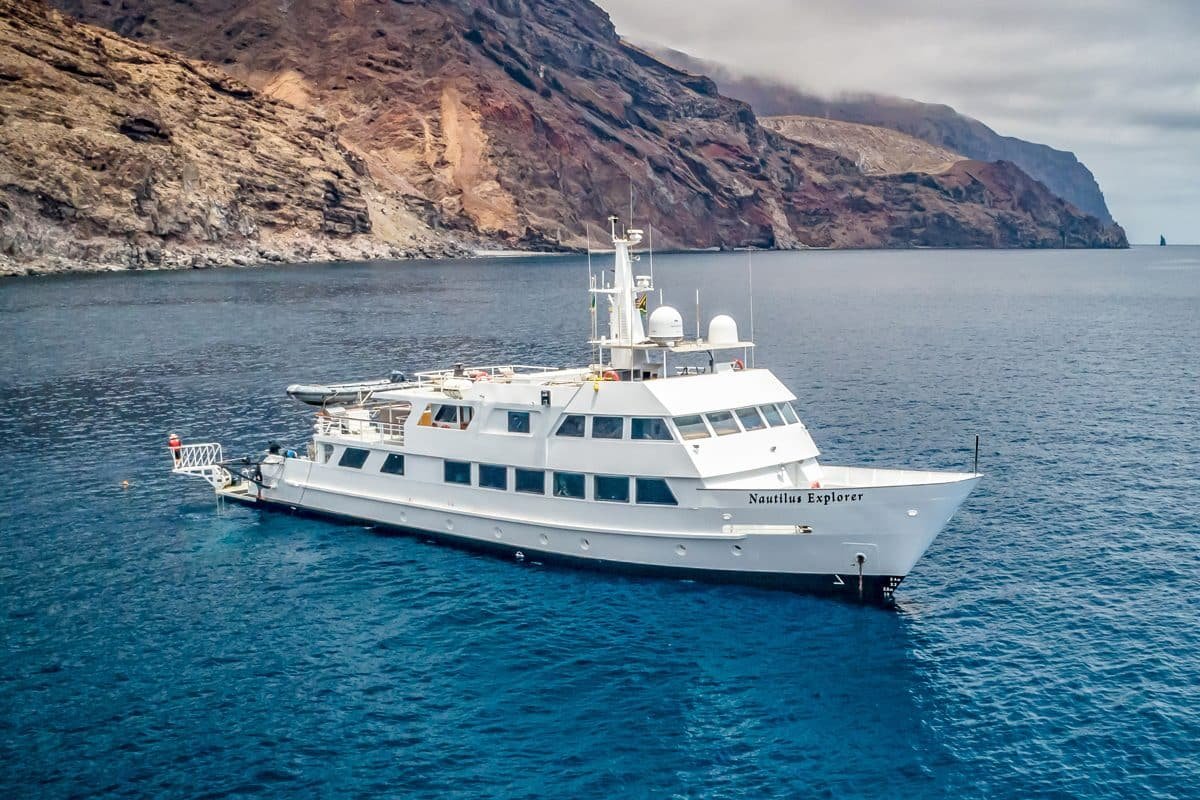
The Nautilus Explorer is widely regarded as one of the most operationally refined vessels in Socorro. Originally designed for cold-water exploration, it is extremely stable at sea—an important advantage during the long Pacific crossings. The boat emphasizes safety, efficiency, and structured dive briefings while still providing comfortable accommodations.
Onboard Experience Includes:
— Spacious dive deck with personal gear stations
— Large camera tables and dedicated rinse tanks for photographers
— Cabins with private bathrooms (various categories available)
— Hot tub and lounge areas for surface intervals
— Highly experienced crew familiar with Revillagigedo’s changing conditions
Operational Strength:
Their team is known for excellent wildlife interpretation and detailed dive planning, which enhances chances of meaningful manta and shark encounters.
2. Nautilus Under Sea
Style: More budget-conscious expedition option
Best For: Divers prioritizing experience over luxury
Trip Length: 8–9 nights
Price Range: ~$3,200–$3,900 USD
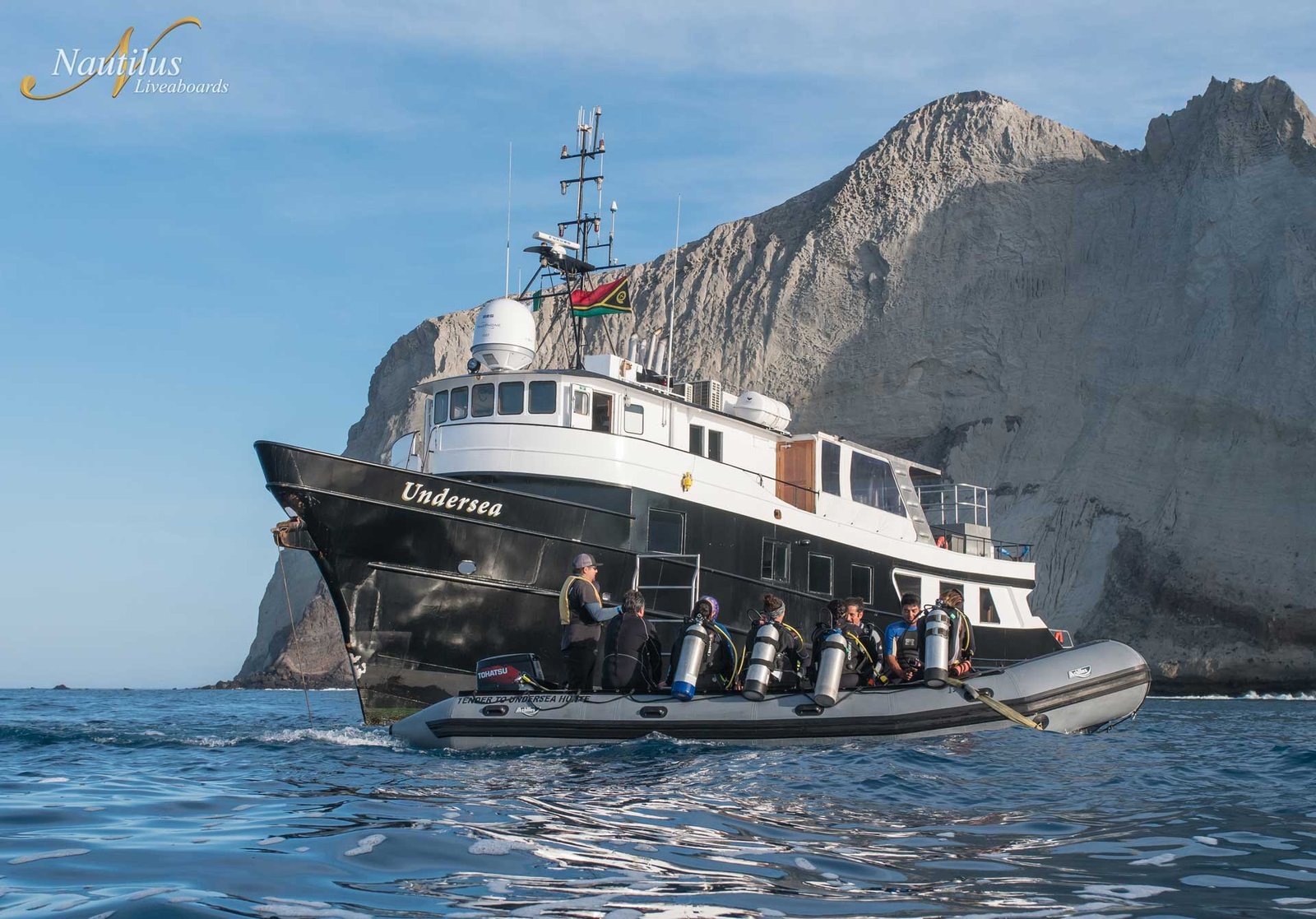
The Nautilus Under Sea offers the same operational backbone as its sister ship but with a slightly simpler interior layout and fewer luxury finishes. It delivers the identical dive itinerary and guiding standards, making it a strong value choice for experienced divers who care more about time in the water than onboard indulgence.
Onboard Experience Includes:
— Functional yet comfortable cabins
— Efficient dive logistics and briefings
— Relaxed, diver-centric atmosphere
— Shared social spaces designed for expedition camaraderie
Operational Strength:
Excellent for repeat big-animal divers who want access to Revillagigedo without paying premium-tier pricing.
3. Belle Amie
Style: Premium liveaboard with upscale amenities
Best For: Divers seeking maximum comfort without sacrificing dive intensity
Trip Length: 9 nights
Price Range: ~$4,000–$5,500 USD
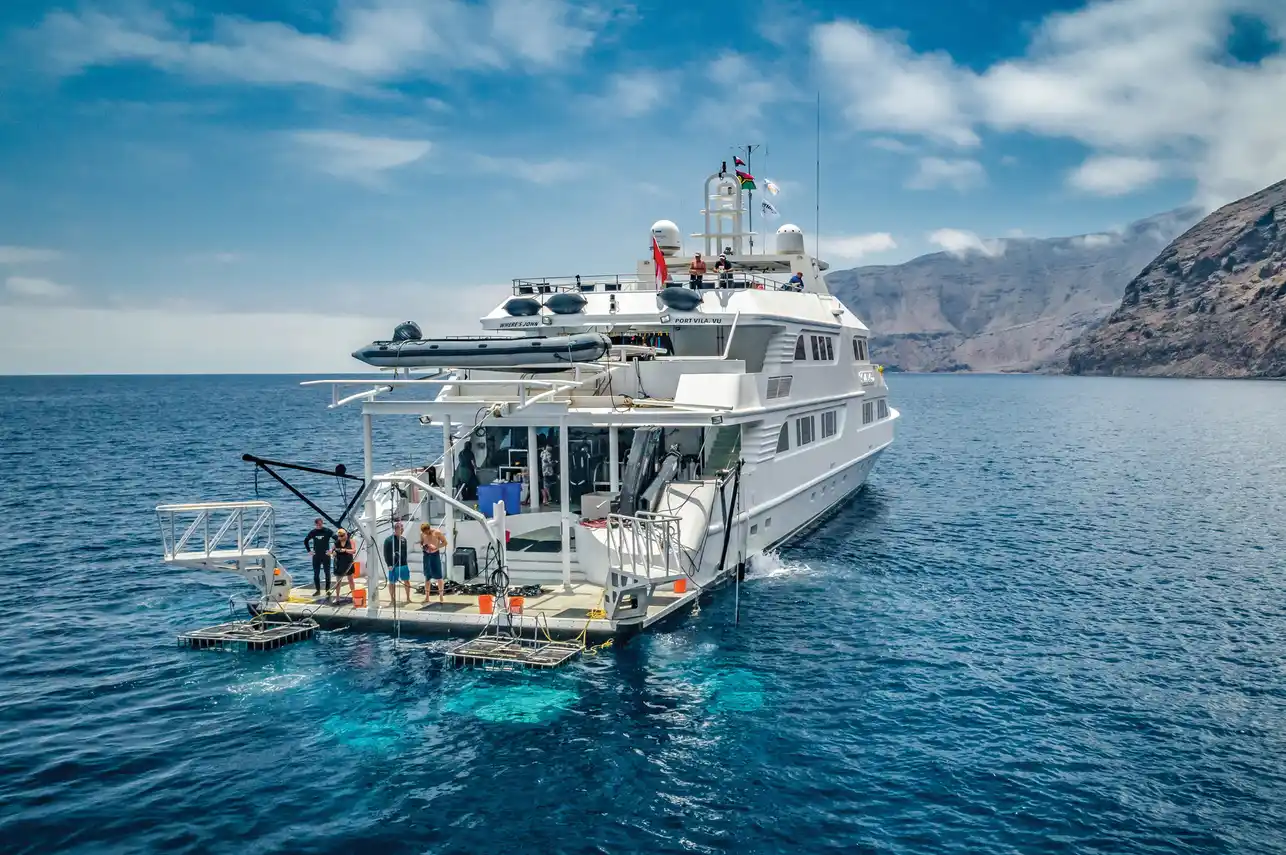
Belle Amie is the largest and most luxurious vessel regularly operating in Revillagigedo. While still very much an expedition boat, it adds a level of refinement rarely found in remote dive destinations. This makes it appealing to travelers who want to combine high-end hospitality with world-class pelagic diving.
Onboard Experience Includes:
— Large staterooms and suites with private en-suite bathrooms
— Expansive sun deck and shaded relaxation areas
— Jacuzzi on the upper deck
— Chef-driven menu with elevated dining service
— Generous indoor lounge spaces for briefings and photography work
Operational Strength:
Spacious layout reduces crowding, which photographers and long-trip travelers especially appreciate.
4. Solmar V
Style: Classic Socorro expedition vessel
Best For: Traditionalists and highly focused dive travelers
Trip Length: Usually 9–10 nights
Price Range: ~$3,300–$4,200 USD
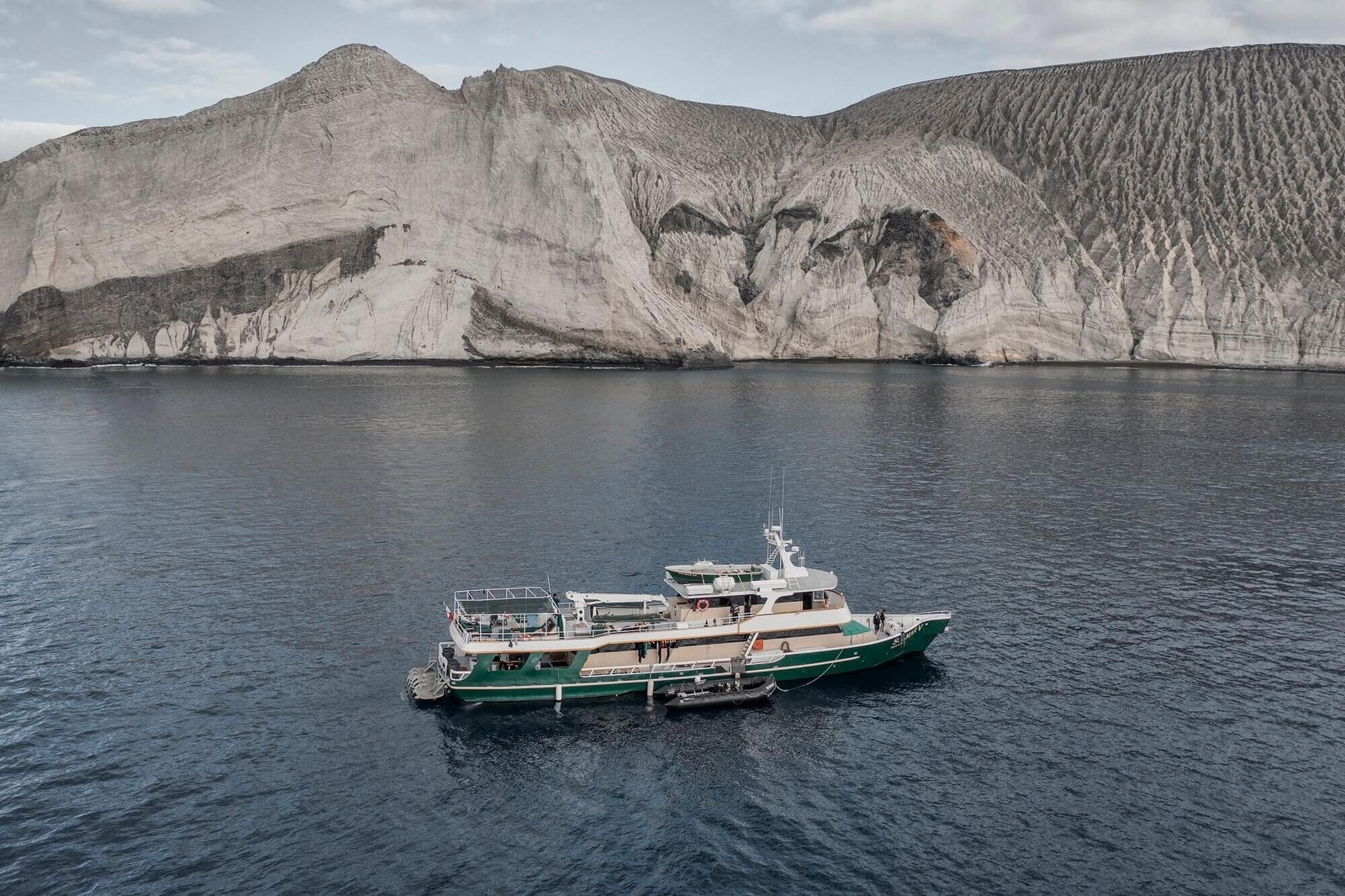
Solmar V is one of the original boats that helped establish Revillagigedo as a global dive destination. It carries a strong reputation for serious dive operations and experienced guides who know the islands intimately.
The design is more traditional—less modern styling, more maritime character—but extremely functional for repetitive blue-water diving.
Onboard Experience Includes:
— Solid, seaworthy steel hull ideal for offshore crossings
— Structured dive routines emphasizing safety and timing
— Comfortable but modest cabins
— Strong emphasis on dive briefings and current management
Operational Strength:
A favorite among seasoned divers who appreciate a no-nonsense expedition approach.
5. Rocio del Mar
Style: Small-group, service-oriented experience
Best For: Divers who value personalized attention and smaller guest counts
Trip Length: 9 nights
Price Range: ~$3,200–$3,800 USD
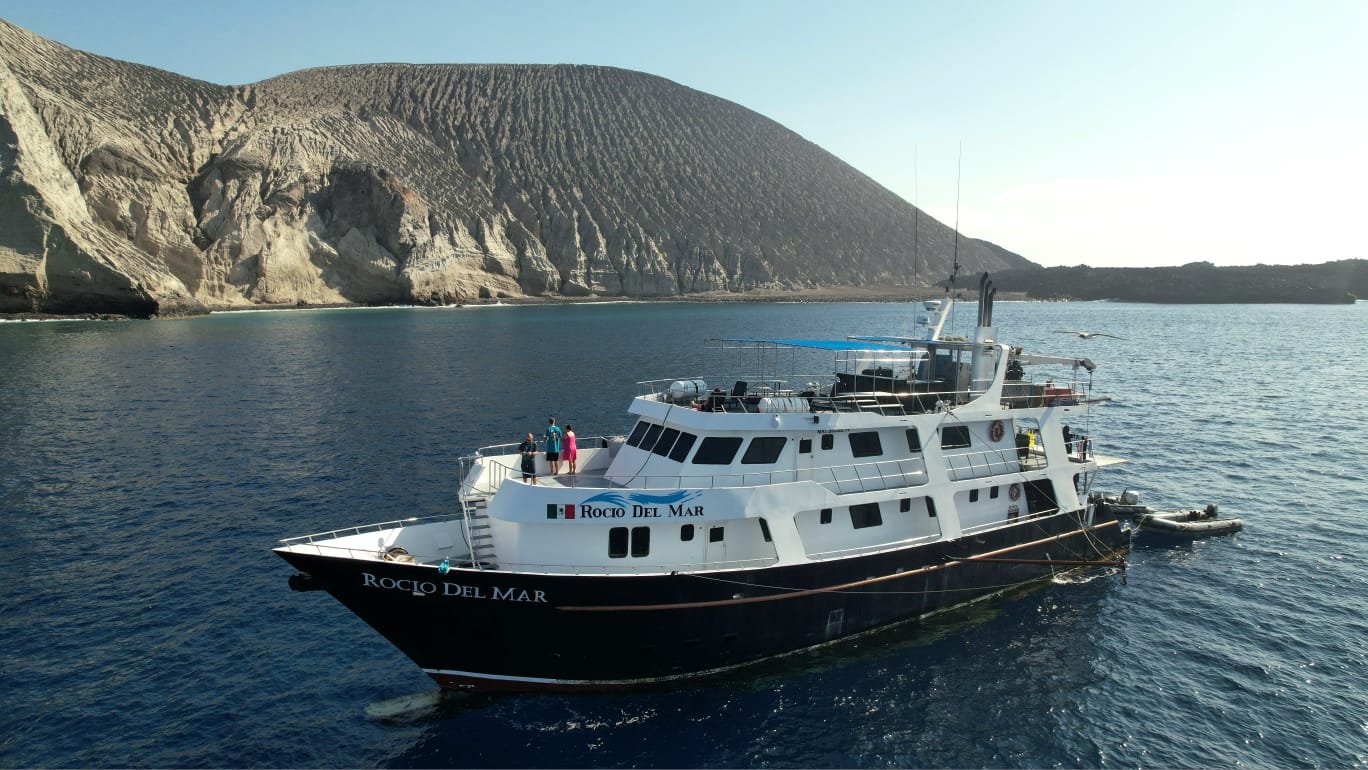
Rocio del Mar offers one of the more intimate Socorro experiences, typically hosting fewer divers than larger vessels. This results in a relaxed onboard atmosphere and highly attentive crew interaction.
Onboard Experience Includes:
— Limited passenger capacity for less crowding
— Individualized dive support
— Strong crew-to-guest ratio
— Comfortable cabins with practical layouts
— Emphasis on flexible service and diver needs
Operational Strength:
Ideal for groups, returning guests, or divers who prefer a quieter environment.
What All Revillagigedo Liveaboards Have in Common
Despite stylistic differences, every vessel shares key operational realities dictated by the archipelago’s isolation:
— All departures originate from Cabo San Lucas.
— The crossing requires ~24 hours of open-ocean navigation each way.
— Diving is conducted from rigid inflatable pangas rather than directly off the mothership.
— Expect 3–4 dives daily depending on weather and wildlife activity.
— Schedules remain flexible—captains adjust routes based on conditions and animal movement.
This is not resort diving. It is managed exploration.
How to Choose the Right Boat
Your decision should depend less on itinerary (they are similar) and more on travel style:
— Choose comfort-focused vessels if you want recovery space between intense dive days.
— Choose smaller or more traditional boats if your priority is time in the water and expedition authenticity.
— Photographers often prefer larger platforms for workspace and stability.
— First-time Socorro travelers sometimes appreciate the added comfort of premium boats due to long crossings.
Regardless of vessel, the underwater experience—the true reason for coming—remains extraordinary across the fleet.
A Typical Day Onboard
Life quickly settles into a rhythm shaped by diving, surface intervals, and the movement of the ocean.
A standard day often looks like this:
06:30 — Wake-up call and light breakfast
07:00 — First dive (often the most active for sharks)
08:30 — Full breakfast while the boat repositions
10:30 — Second dive
12:00 — Lunch and rest period
14:30 — Third dive
16:30 (optional) — Fourth dive, depending on conditions
18:30 — Dinner and evening briefing
Night — Relaxation, photo review, or navigation to next site
The schedule is designed to maximize in-water time while maintaining safety during repetitive blue-water diving.
Preparation & Expectations
Revillagigedo demands more from divers than typical destinations. Conditions can change quickly, entries are conducted from small pangas, and dives often require controlled descents into open water without visual references.
Divers should arrive:
— Well-rested and recently diving (not “rusty”)
— Comfortable deploying an SMB and managing buoyancy mid-water
— Prepared for repetitive dives over several consecutive days
— Physically ready for climbing ladders in moderate seas
— Mentally flexible—wildlife encounters cannot be guaranteed
This is a place where patience and situational awareness reward you more than speed or distance.
Photography Considerations
Revillagigedo is a wide-angle destination. The stars of the show—manta rays, sharks, dolphins—are large, dynamic, and often approach from the blue rather than from the reef.
Photographers should plan for:
— Ultra-wide or fisheye lenses
— Fast autofocus for moving subjects
— Minimal strobe power (many encounters occur in open water)
— Streamlined gear to manage currents and entries
— Excellent buoyancy to remain stable during long interactions
The key to successful imagery here is restraint. Chasing animals almost always ends the interaction; remaining calm often brings them closer.
Seasickness & The Reality of Open-Ocean Travel
The crossing to the islands is part of the adventure—and one of the most underestimated aspects of the trip.
The Pacific here produces long-period swells that can create continuous motion even in calm weather. Many experienced divers who never get seasick elsewhere choose to take preventative medication for this crossing.
Helpful strategies include:
— Begin medication before departure, not after symptoms start
— Choose midship cabins where motion is reduced
— Stay hydrated and avoid heavy alcohol consumption early in the trip
– Spend time on deck focusing on the horizon if discomfort arises
Preparing for motion allows you to fully enjoy the dive days once you arrive.
Conservation Rules & Responsible Diving
As one of the largest fully protected marine reserves in North America, Revillagigedo operates under strict conservation guidelines designed to maintain natural animal behavior.
Divers are expected to:
— Never touch or pursue marine life—even when mantas approach closely
— Maintain neutral buoyancy and avoid contact with volcanic substrate
— Follow guide positioning to reduce stress on animals
— Secure all equipment to prevent accidental impact or loss
— Use reef-safe products and minimize single-use plastics onboard
These practices are not only regulations—they are the reason the ecosystem remains so intact.
Who This Destination Is For (And Who It Isn’t)
Revillagigedo is ideal for:
— Experienced divers seeking large pelagic encounters
— Underwater photographers focused on behavior rather than reef scenes
— Travelers drawn to remote, expedition-style environments
— Those comfortable with dynamic ocean conditions
It may not be ideal for:
— Newly certified divers still building confidence
— Travelers expecting colorful coral reef density
— Anyone uncomfortable with long boat crossings
— Vacationers looking for nightlife or land excursions
Understanding this distinction ensures visitors arrive with the right mindset—and leave deeply satisfied.
Packing Strategy for a Remote Expedition
Packing for Revillagigedo is different from packing for resort diving. Once offshore, there is no possibility of replacing forgotten items.
Recommended essentials include:
Dive Equipment
— Primary and backup mask
— SMB + reel (mandatory on most boats)
— Reef hook or pointer (if operator allows)
— Extra fin straps, O-rings, and save-a-dive kit
Exposure & Comfort
— 5–7 mm wetsuit with optional hooded vest
— Multiple swimsuits for repetitive diving
— Light jacket for windy decks and cool mornings
Personal Items
— Seasickness prevention
— Electrolyte packets for hydration
— Dry bag for panga transfers
— Power strips and charging solutions (cabins have limited outlets)
Photography Gear
— Spare batteries and memory cards (no replacements available)
— Protective cases for saltwater spray
— Laptop or storage device for backups
Think self-sufficiency: if you might need it, bring it.
What Makes Revillagigedo Truly Unique
Revillagigedo represents an increasingly rare type of dive destination: one defined not by accessibility or infrastructure, but by ecological scale and isolation. Its UNESCO recognition and strict protection have preserved an ocean environment where large animals remain dominant, migrations remain uninterrupted, and encounters feel authentic rather than conditioned.
Divers do not visit Revillagigedo for variety—they come for encounter. For many, it is less a dive trip and more an immersion into how the open Pacific once functioned everywhere.